

Composio's pitch to agent-builders: 1,000+ integrations, managed OAuth, and adapters for every major framework. The value prop is to get started with tool calls real fast.
However, the real question is what "working" means at scale for production-grade agents in the real world; specifically, when your agent stops acting (tool calling) for you and starts acting for your customers.
Most developers encounter this category when a framework integration stops being sufficient. Worth naming what you're actually solving before picking a product.
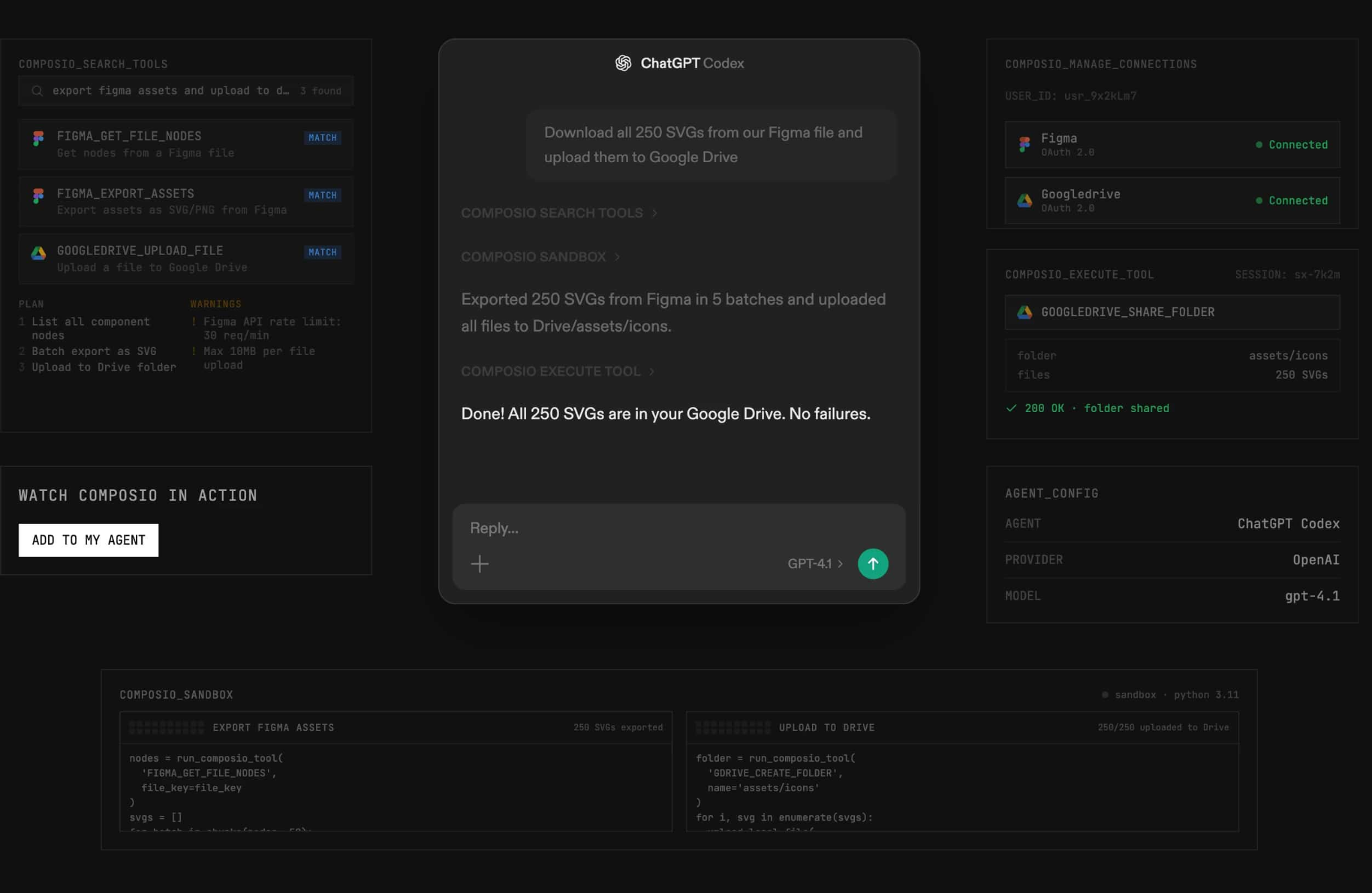
Composio earned its adoption. Be clear-eyed about this.
For internal tooling, personal agents, early-stage prototypes: Composio is hard to beat on speed.
For a wider comparison of ten managed MCP server platforms, including Zapier, StackOne and Truto, see Best managed MCP server platforms.
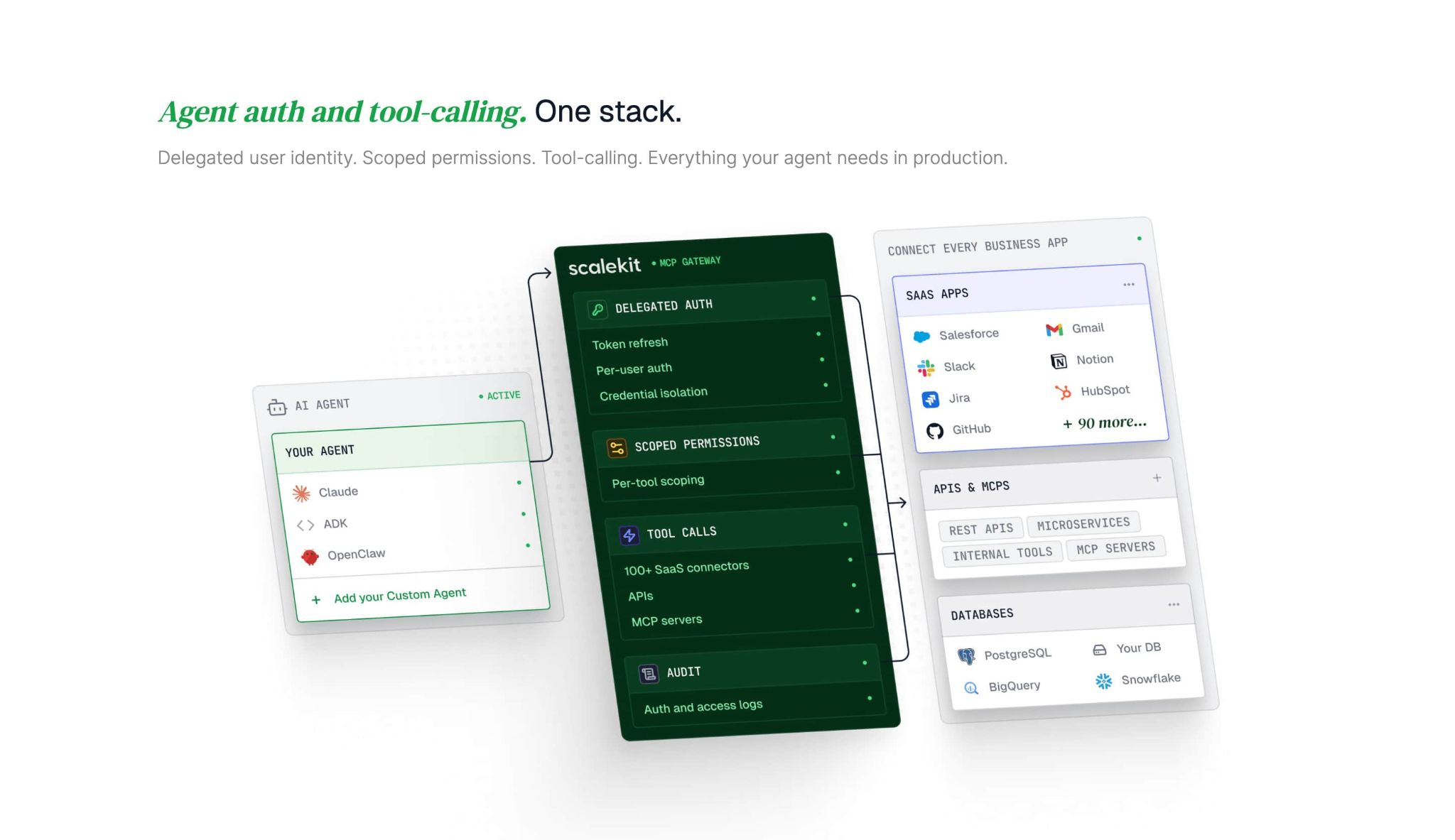
Scalekit was built around a premise the rest of this list is still catching up to: that production agent reliability is fundamentally an auth and AuthZ problem, and solving it properly means treating credential isolation and scope enforcement as the core architecture, not capabilities layered on after the integration catalog is built.
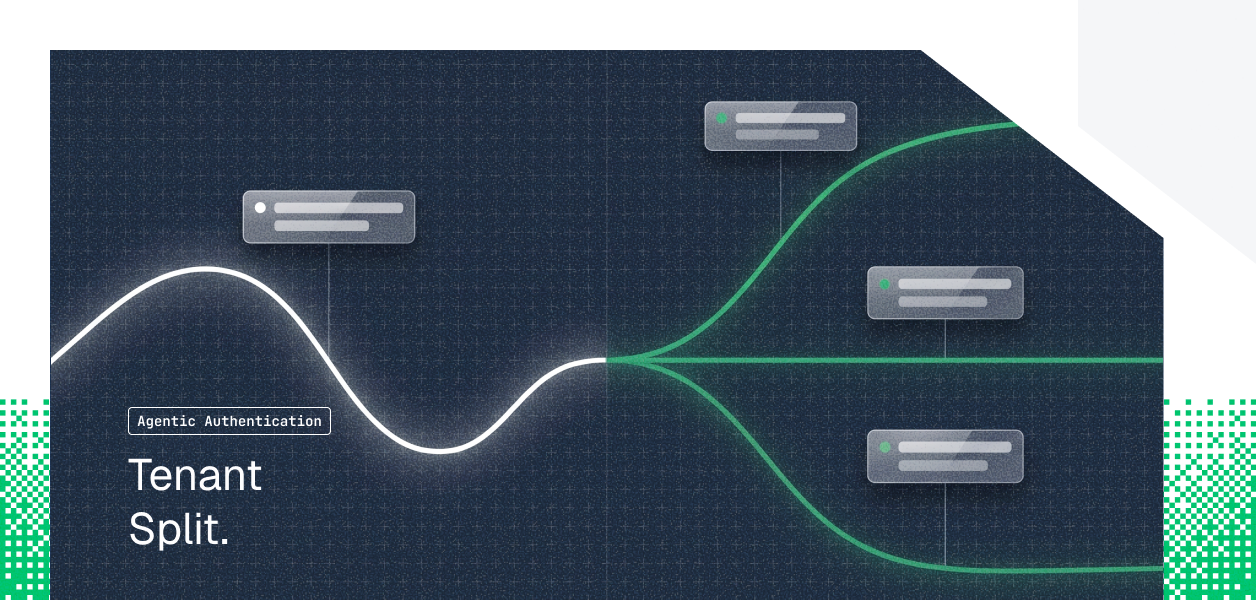
Where it directly answers Composio's biggest gaps: per-connector scope configuration means you define, per integration, what each org's agents are permitted to do — a connector can be read-only for one customer, read-write for another, fully restricted for a third, enforced before the API is ever touched. Composio's tools are closed; Scalekit's custom tools, custom APIs, and custom MCP servers plug into the same auth and authz framework as the pre-built connectors, so you're never stuck working around something that's close-but-not-quite-right.
Virtual MCP Servers take scoping a level below the connector: a single endpoint scoped to exactly the tools one agent role needs, rather than a connection's entire catalog. A 40-tool connection can cost an agent roughly 8,000 tokens of context before it's done real work; scoping to 5–10 tools cuts that by about 80%. One definition serves every customer, with a fresh session token resolving to the right person's credentials on every run.
Where the trade-off runs the other way: Composio's raw catalog (1,000+) is still larger than Scalekit's 500+ — if your integration list is broad and shallow rather than narrow and deep, that gap is real and worth weighing. Scalekit's bet is that depth per connector matters more than count, which is true for production reliability but not free if the specific tool you need simply isn't built yet.
Observability and logs: the full delegation chain — agent, connector, scope, tenant, action, result — logs natively and is queryable inside the platform, with streaming to your own SIEM or data warehouse, directly answering Composio's "surface-level only" gap.
Deployment: cloud-managed, VPC, or fully on-prem/air-gapped — where Composio has no option at all.
Developer experience: native adapters for LangChain, Google ADK, Anthropic, OpenAI, Vercel AI SDK, Mastra, Claude Managed Agents, and OpenClaw; per-user authenticated MCP URLs; one-command coding-agent plugin install via the Skills CLI (npx skills add scalekit-inc/skills).
Von, an AI revenue intelligence platform, runs agents across Salesforce, Gong, HubSpot, and Google Drive on behalf of individual sales reps this way:
"We can keep adding tools without ever rebuilding how credentials or tool calling work." — Venu Madhav Kattagoni, Head of Engineering, Von
By early 2026 Von had added Zendesk, Snowflake, Gmail thread tooling, Gong Engage, Salesloft, and Outlook Calendar — each new connector inheriting the same auth and authz pattern without changing the identity layer.
Best fit: teams building production-grade agent products where per-tenant authz, reliable execution, and a defensible audit trail are requirements — and willing to trade some of Composio's raw catalog size for that depth.

Nango's bet is code ownership over pre-built convenience. Tool definitions are TypeScript functions that live in your repo, deployed to Nango's runtime, which handles execution, auth, retries, and rate limiting.
Where it beats Composio outright: observability. Full request/response visibility, custom log messages, OpenTelemetry export — genuinely the strongest in this category, against Composio's "surface-level only." It's also open source and self-hostable, where Composio has no deployment flexibility at all, and usage-based pricing avoids Composio's implicit bet that catalog size justifies a managed-only subscription.
Where Composio still wins: raw catalog size (1,000+ vs. Nango's 700+ APIs) and time-to-first-tool-call — Nango requires you to write the function before you have a working integration; Composio hands you one pre-built.
The honest trade-off: you're authoring integration logic rather than consuming pre-built tools. Higher ceiling; higher floor.
Best fit: teams where integrations are a core product feature, code ownership is a requirement, and observability needs are high.
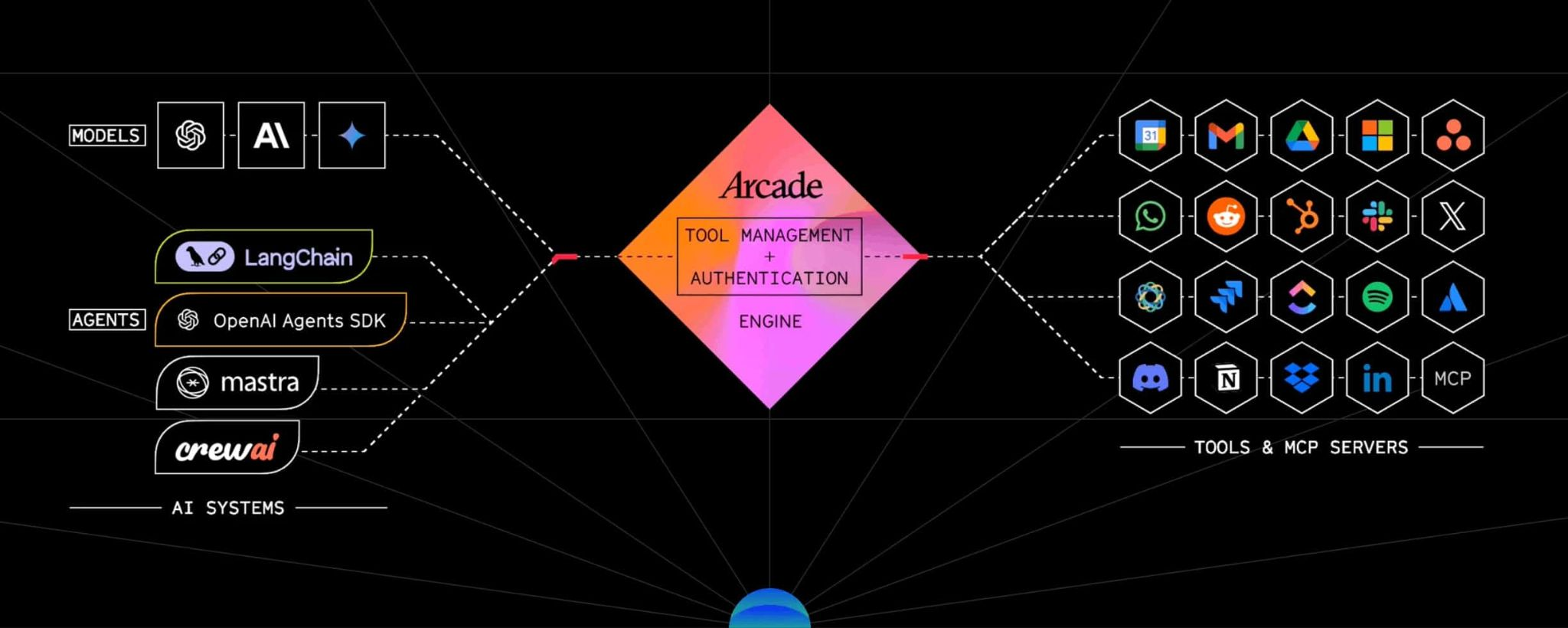
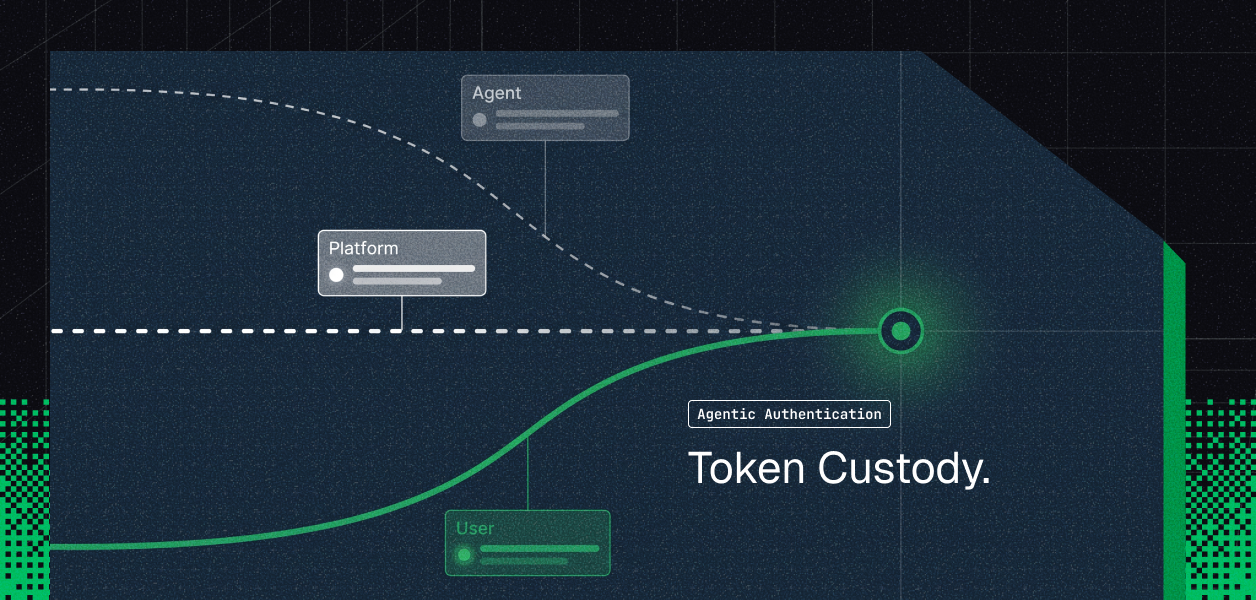
Arcade was founded by executives from Okta, and it shows: agents act as users through proper OAuth delegation — not bot tokens, not service accounts — where Composio's auth model handles token storage and refresh but stops short of enforcing who's actually allowed to do what.
Where it beats Composio: auth-model rigor, unambiguously. Arcade also ships a CI/CD-style tool evaluation framework for testing tool-calling behavior before deployment — a capability Composio doesn't have an equivalent for at all.
Where Composio wins decisively: catalog size. Composio's 1,000+ integrations dwarf Arcade's ~112 first-party connectors, and Composio's closed but functional catalog gets you further faster if broad coverage matters more than auth-model correctness. Arcade's runtime is also closed-source, so neither platform gives you code-level inspection the way Nango does.
Best fit: MCP-native builds where the auth model is the primary design concern and the current catalog covers your integration requirements.
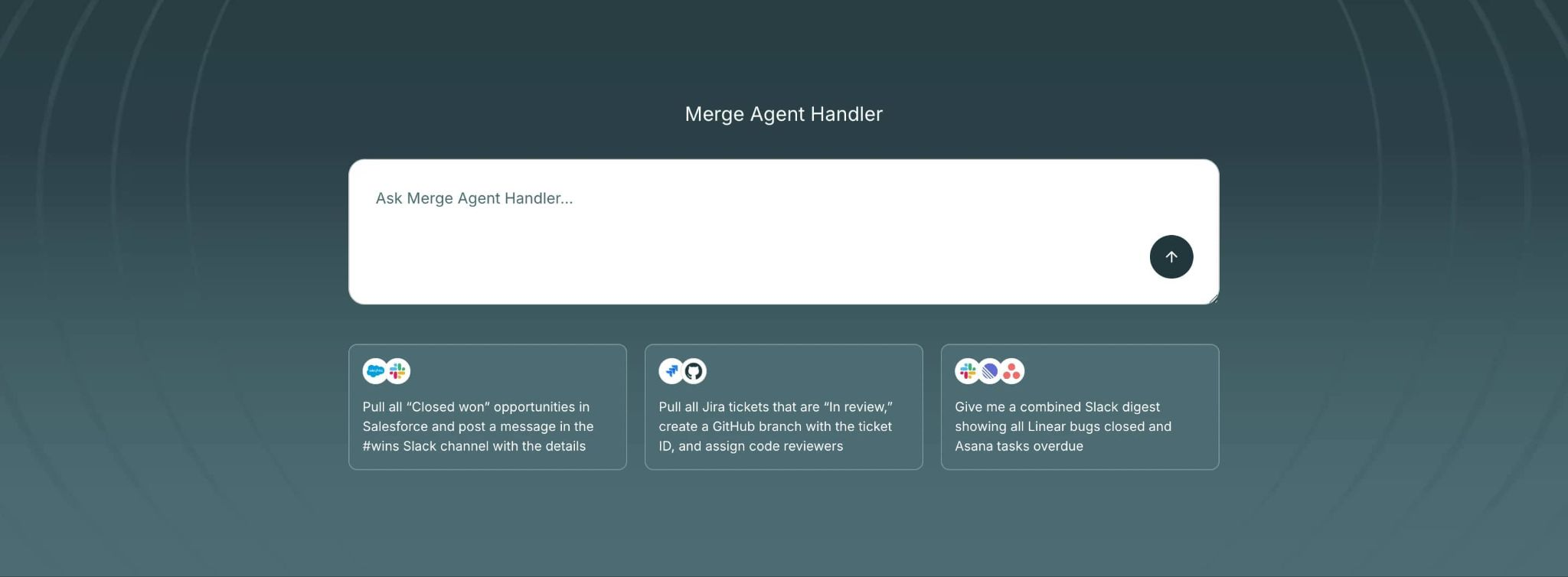
Merge's governance and DLP tooling — PII scanning, per-tool-pack rules, granular audit logs — is more mature than Composio's, and its enterprise compliance certifications (SOC 2 Type II, ISO 27001, HIPAA, GDPR) go further than Composio's SOC 2-only posture.
Where Composio wins: architecture fit for agents specifically. Merge's tools sit on top of a unified API built for deterministic, normalized SaaS integration — a real mismatch for LLMs that need provider-specific semantic detail, a problem Composio's agent-native (if closed) tools don't have in the same way. Composio is also meaningfully cheaper at scale; Merge's $65-per-linked-account pricing compounds fast where Composio's managed subscription doesn't scale the same way with customer count.
Best fit: teams already on Merge Unified API adding agent capabilities — not a natural comparison against Composio on unified merits.
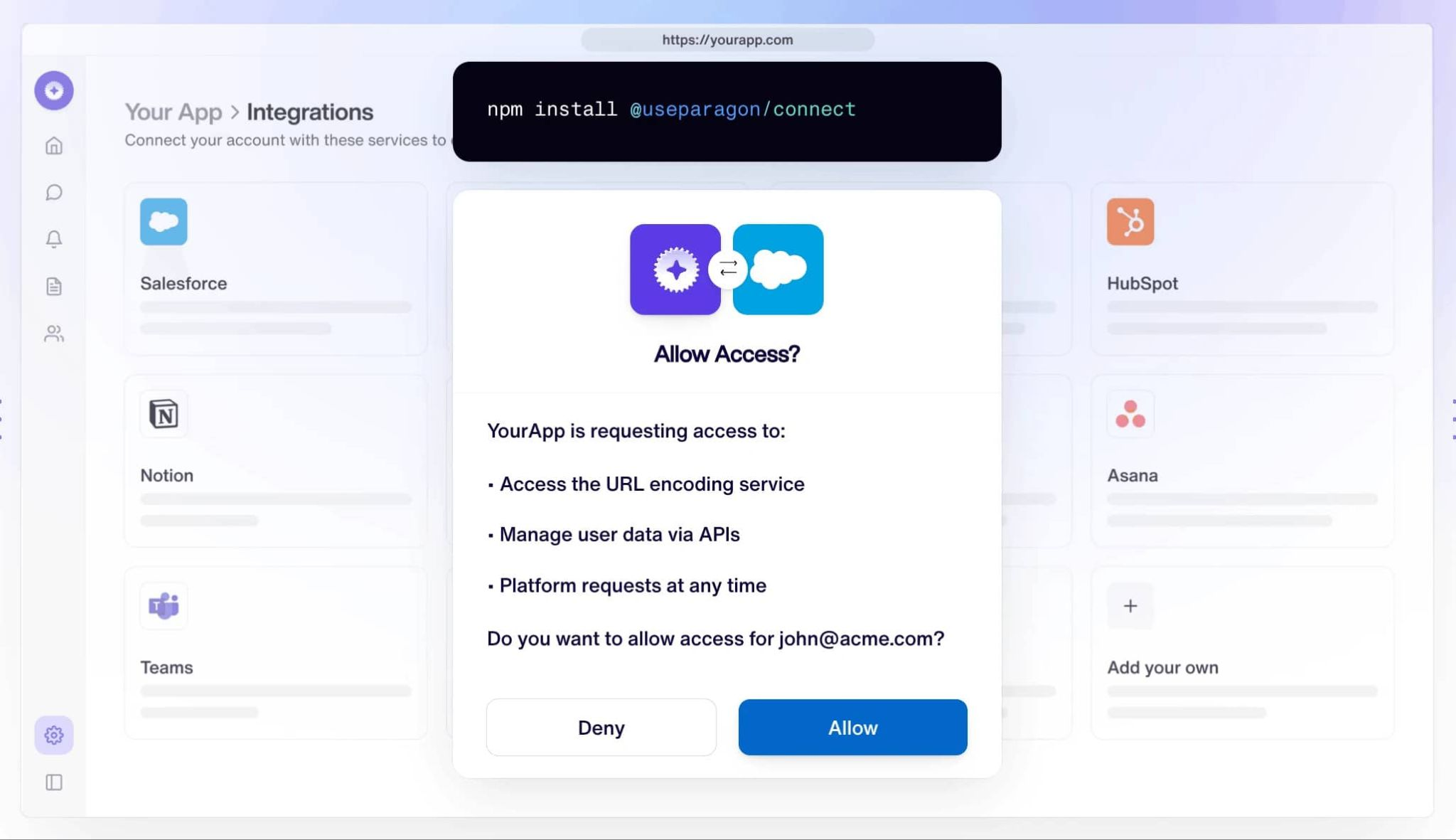
Paragon rebuilt around AI in 2025, and ActionKit's white-labeled Connect Portal for end-user authorization is more polished than anything Composio ships for embedded connection UX — a real advantage for ISVs whose own customers need a branded connection flow.
Where Composio wins: framework-native tool schemas built for agents from the start, rather than Paragon's tools which carry an embedded-iPaaS heritage optimized for a different original audience. Both have similar catalog sizes (1,000+), so this comes down to schema quality and fit, not breadth.
Best fit: ISVs building AI features where the end-user connection UX is a product differentiator and pre-built tools cover the integration surface needed.
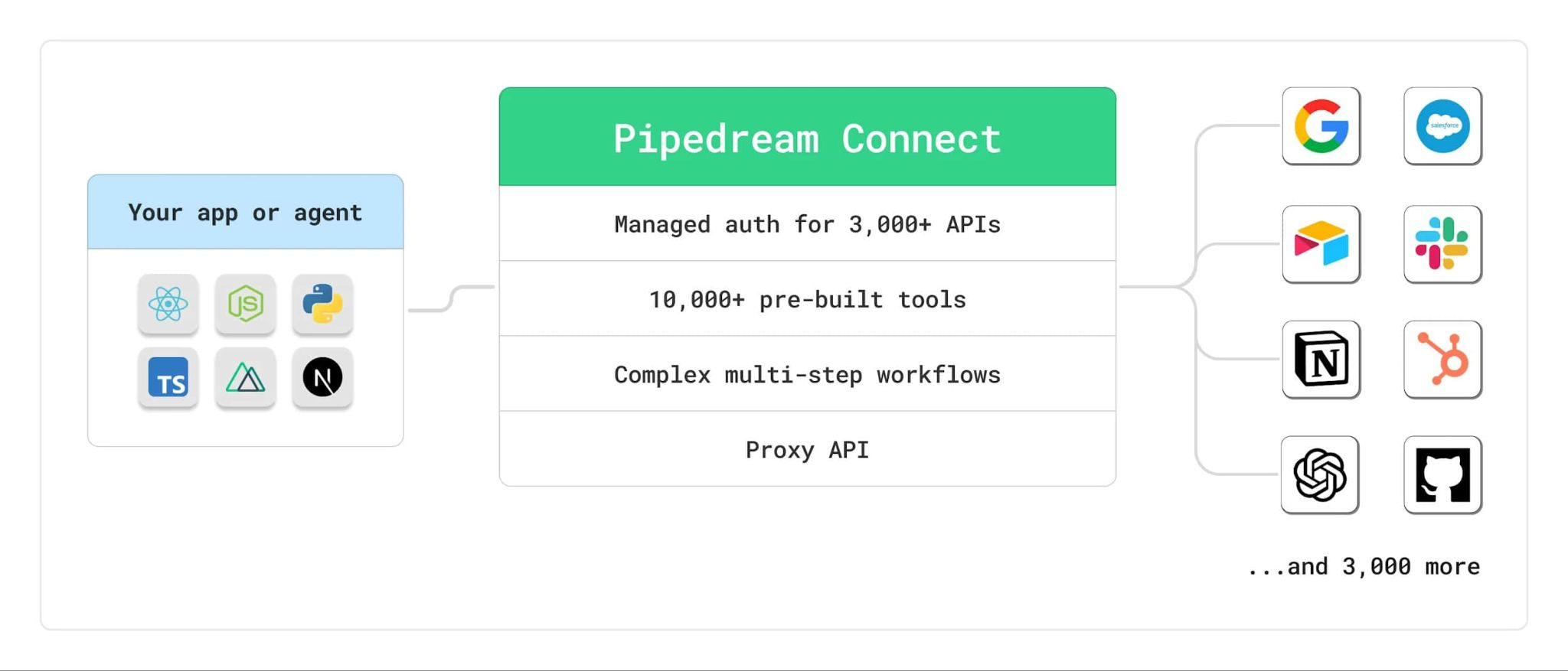
3,000+ connectors — the largest raw catalog of anything in this comparison, dwarfing Composio's 1,000+.
Where Composio wins, despite the smaller catalog: roadmap independence. Workday's acquisition of Pipedream, announced in November 2025, has since closed — Pipedream's team and priorities now sit inside Workday's HR-and-finance platform strategy. Composio, whatever its other limits, answers to its own roadmap. That's a meaningful factor in a multi-year infrastructure decision independent of whether Pipedream's current product changes in the near term.
Best fit: short-horizon projects where catalog breadth is the binding constraint and the long-term roadmap question matters less.
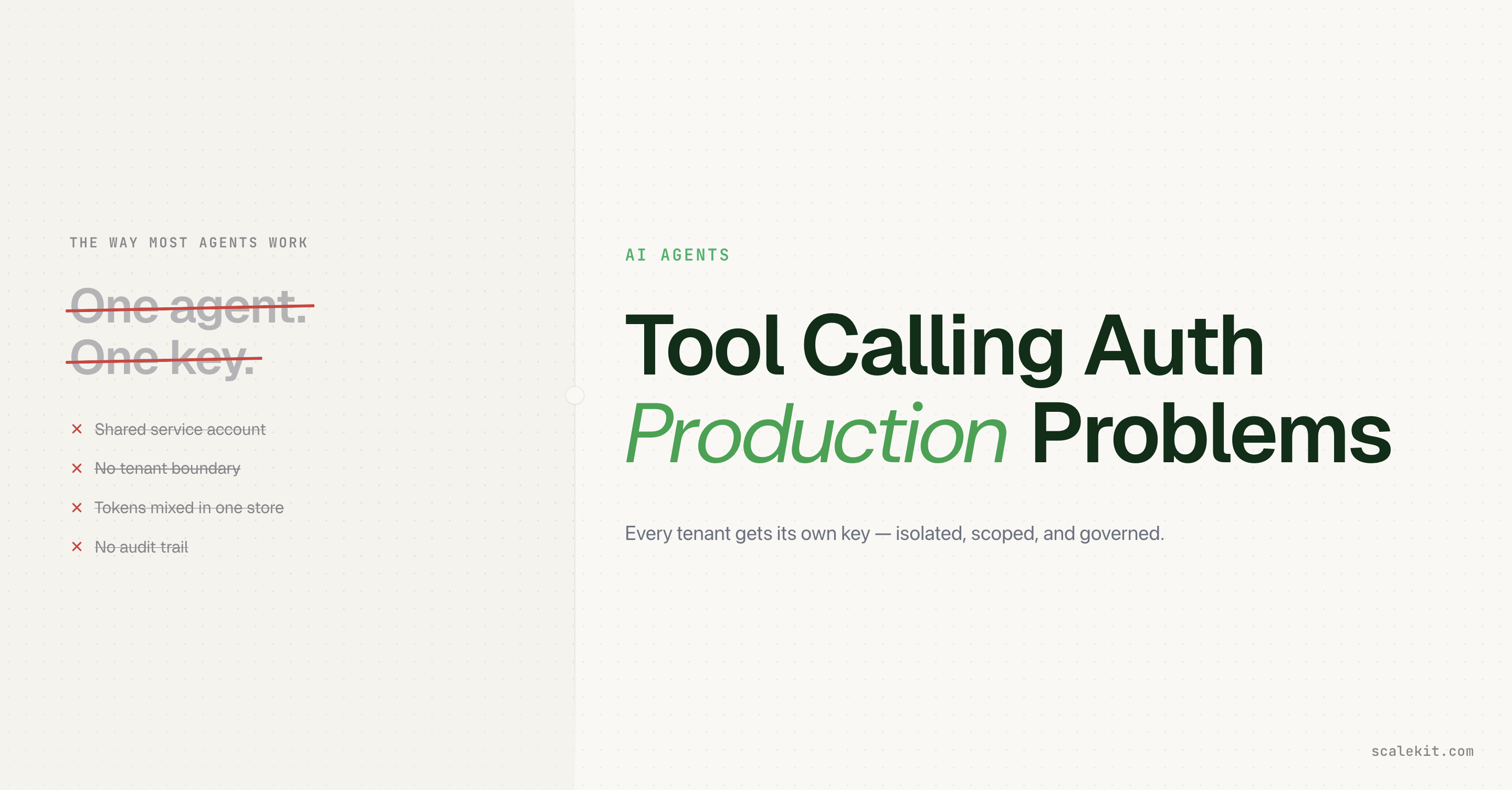
Composio's ceiling has a specific shape. It appears when your agent moves from acting for one user to acting for many — when "does the agent have credentials" becomes "is this agent authorized to act for this org, in this scope, in a way I can prove."
That's not a Composio failure. It's a design scope question. The question to answer before choosing is: which hard problems will your product actually face in production? Understanding agent tool calling auth production problems, patterns, and anti-patterns is essential before committing to any platform. Choose the tool that was built around those problems, not the one that handles them as an afterthought.
For teams moving from single-tenant to multi-tenant architectures, how tool calling auth changes across that boundary is a critical architectural read before locking in your stack.
The signal is usually specific: your agents start acting on behalf of multiple customers and you need per-tenant credential isolation, your security team asks for an audit trail of every tool call, a customer's procurement review requires proof of scope enforcement, or a data residency requirement rules out managed-SaaS-only deployment entirely.
Paragon's ActionKit is closest in philosophy — broad catalog, pre-built tools, fast time-to-first-call. Pipedream offers more raw connector count, with the roadmap caveat above. If reliability in a multi-tenant environment is the actual problem, neither is a true drop-in; Scalekit or Nango are better fits when the issue is architectural. You can review access control for multi-tenant AI agents to understand what that architectural difference means in practice.
Yes — the strongest option for full code ownership, with request/response observability and OpenTelemetry export Composio doesn't offer. The trade-off is authoring integration logic yourself rather than consuming pre-built tools.
It's architectural, not a checklist difference. Composio is built around integration breadth and fast onboarding; Scalekit is built around the credential and authorization layer as the core product, with per-tenant scope enforcement, Virtual MCP Servers scoping down to the tool level, natively queryable and SIEM-streamable logs, and on-prem/air-gapped deployment as structural properties, not add-ons. Understanding credential ownership across agent tool-calling patterns explains why that foundation matters.
Technically yes, but migrations are costly — credential management patterns and tool schema designs get embedded in agent logic early. If you anticipate per-tenant authorization requirements or enterprise security reviews within 12 months, build on the right foundation from day one.
Authentication answers "does this agent have valid credentials?" Authorization answers "is this agent permitted to perform this specific operation, for this specific customer, right now?" Most platforms, including Composio, solve the first well. The second is where production incidents actually happen. The complete guide to agent authentication covers both layers in depth.
Significantly — an LLM decides whether and how to call a tool based entirely on its schema. Vague descriptions cause incorrect calls; missing fields cause silent failures. This compounds across every integration in your catalog. Agent tool observability is the operational practice that surfaces these failures before they become customer-facing incidents.
Depends on your stack — native MCP support matters most if you're exposing tools to coding agents like Claude Code, or building genuinely MCP-native agents. Framework-native adapters may matter more if you're committed to a specific orchestration framework.
A way to scope a single MCP endpoint to exactly the tools one agent role needs, rather than exposing an entire connector's catalog to every agent that touches it. For multi-tenant products, one definition serves every customer, with a fresh session token per run resolving to that user's credentials — reducing both context overhead and blast radius if a single run misbehaves. The audit trail for agent auth that comes with this model is essential for enterprise compliance.