Start for free
PRODUCTS
for you
Agentkit
Auth, scopes & tool-calls for your agents.
AUTH FOR SAAS
User management, RBAC, and SSO for your app.
Auth for MCP
Drop-in OAuth 2.1 for MCP servers.
Agent Gateway
Early access
Connectors with access controls for org-wide agents.
SELF-HOST SCALEKIT
Deploy in your infrastructure. Private cloud. On-Premise. Air-gapped.
lEARN MORE
Capabilities
AUTH for SAAS
User management, RBAC & SSO
SSO (SAML/OIDC)
Enterprise login with any IDP, self-serve setup
User management
Orgs, invites, sessions, and lifecycle
rbac
Roles, scopes, and permission checks
Widgets
Embeddable, prebuilt auth & admin UI
Agentkit
Delegated OAuth & tool calling
Connectors
500+ maintained connectors: Salesforce, Gmail, Slack, MCP
USe cases
Prebuilt agent templates and patterns to start from
Platform
Observability, security & extensibility
Interceptors
Hook into every request before it reaches your app
Auth logs
Every login, token, and session event, queryable
Security & compliance
SOC 2, data residency, and access reviews
Webhooks
Real-time events for user, org, and auth changes
Integrations
Connect to your SIEM, CRM, and data warehouse
DOCS
connectors
customers
PRICING
Talk to US
Start for free
Access management
for human users & AI agents
Enterprise-grade authorization to control who can access what—securely and at scale.
Start for free
View docs
Build an access model that fits your product
View docs
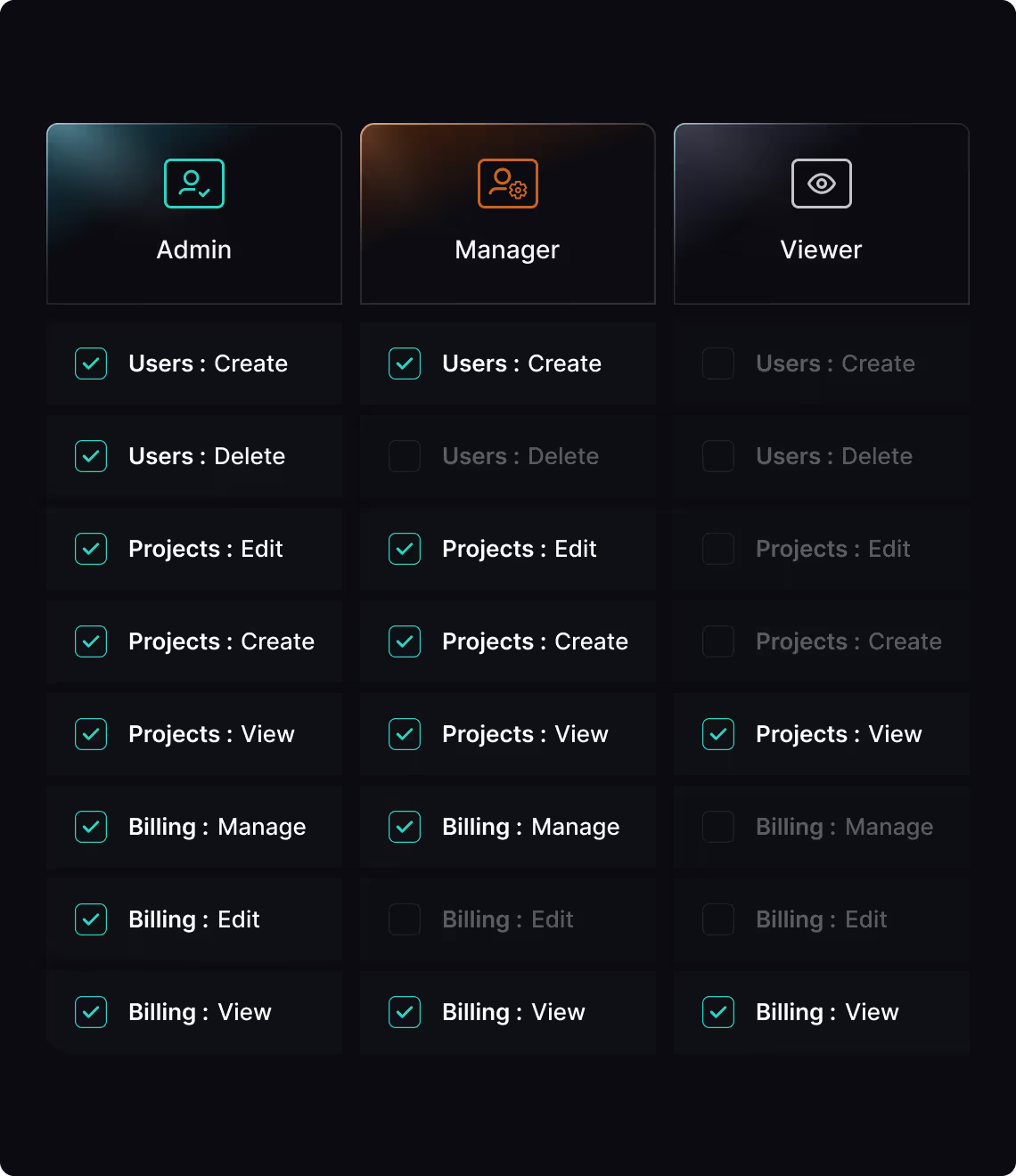
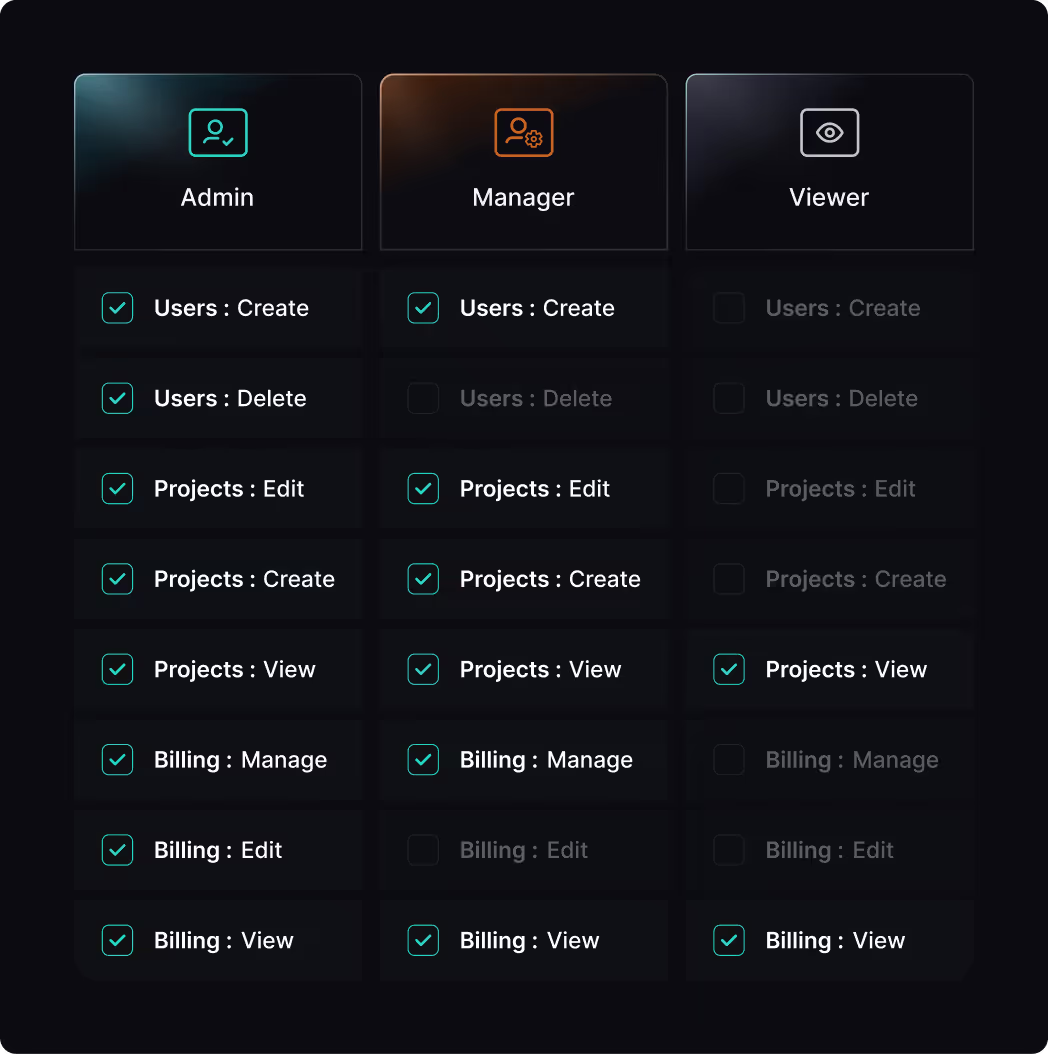
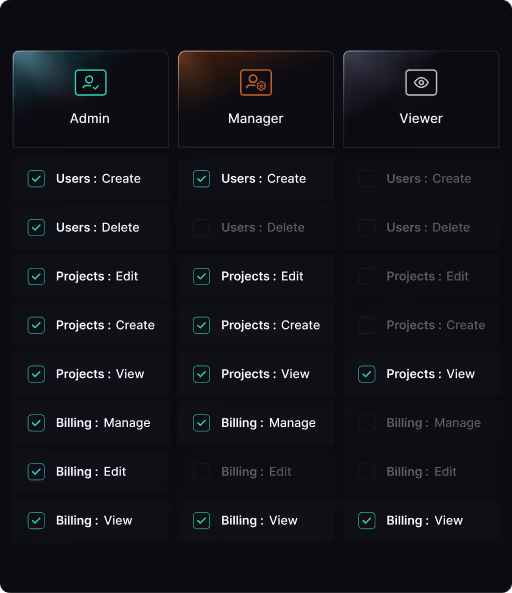
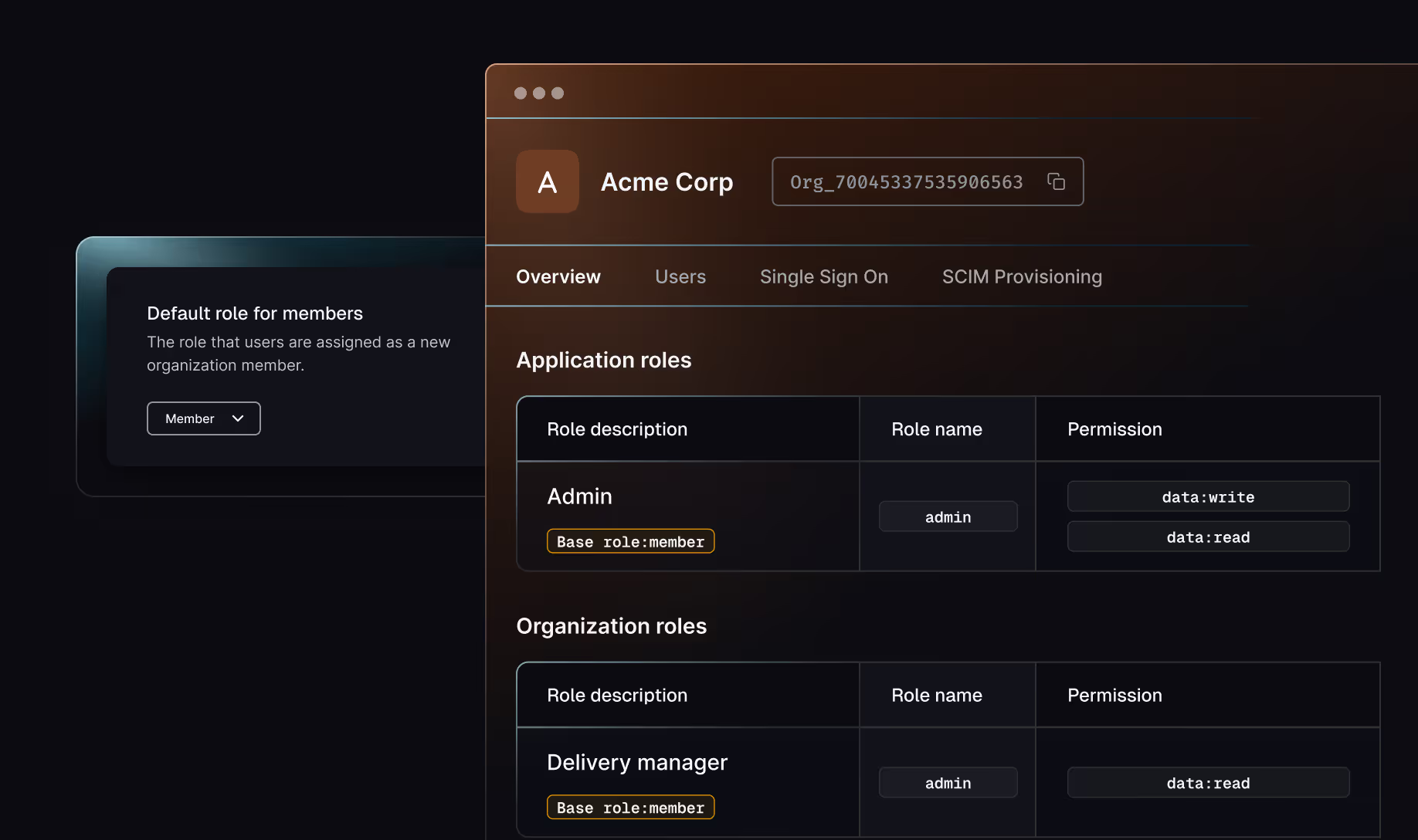
Define permissions and roles
Define permissions for product actions and group them into roles, not individual users.
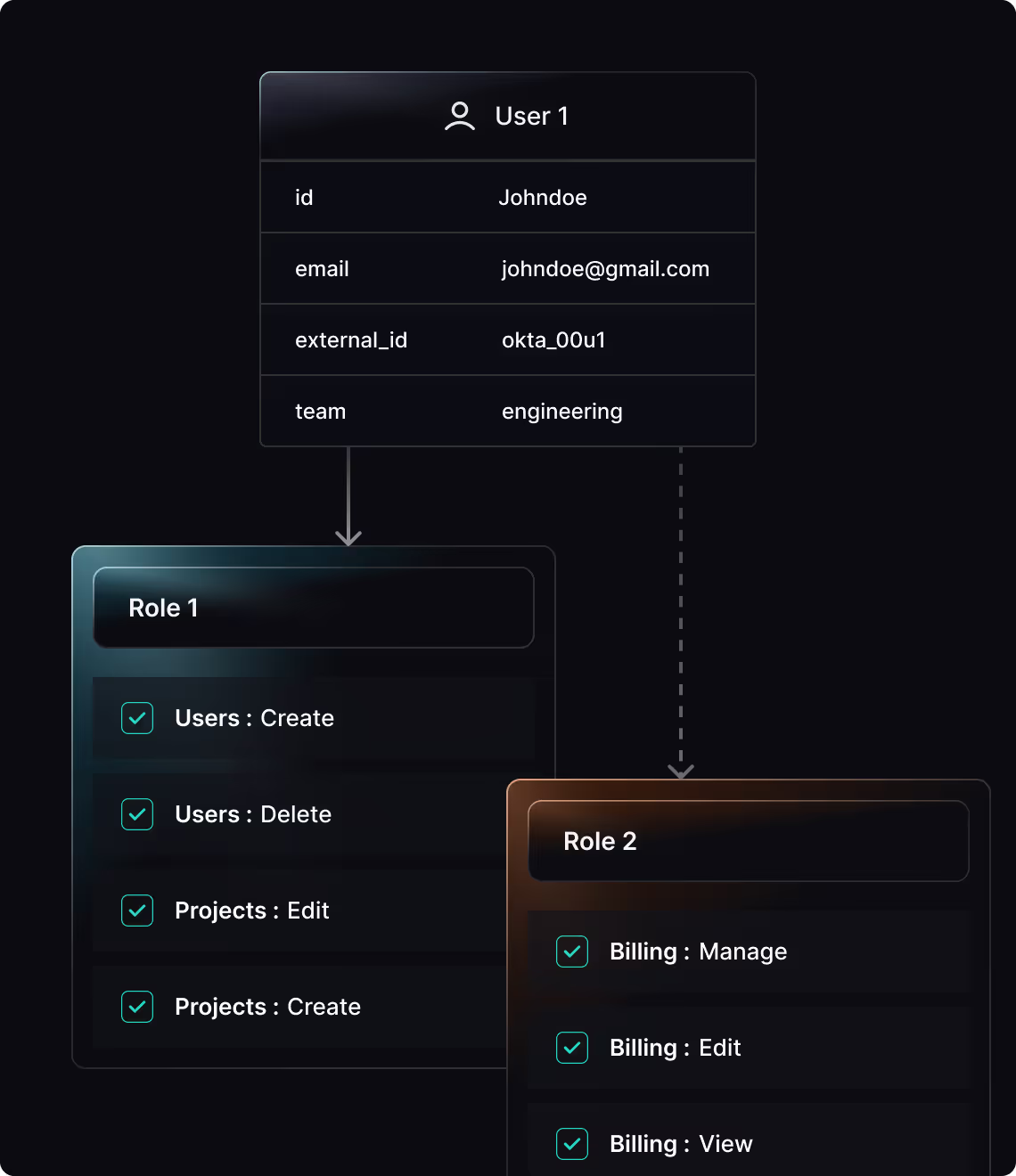
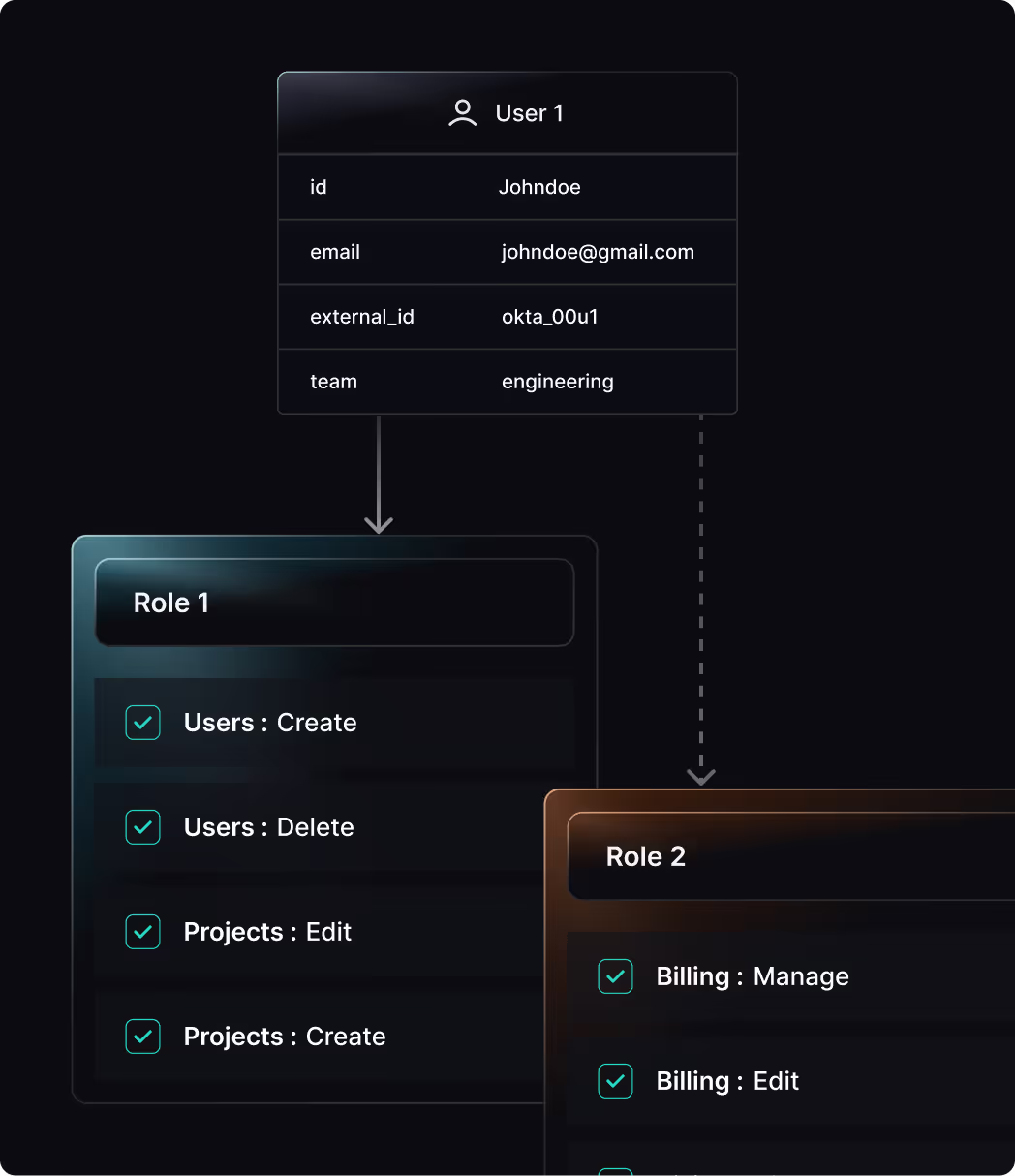
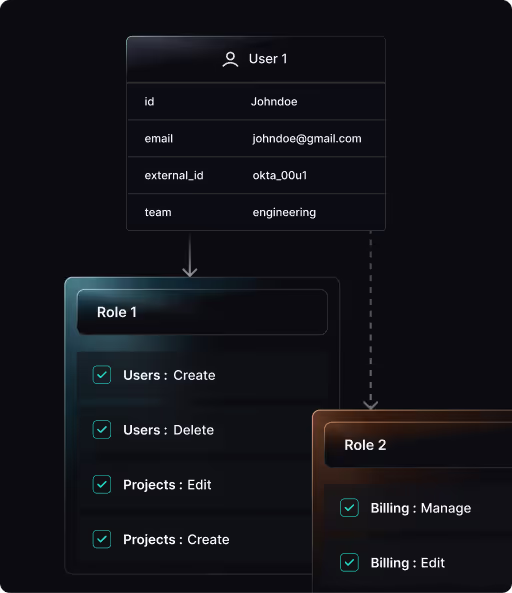
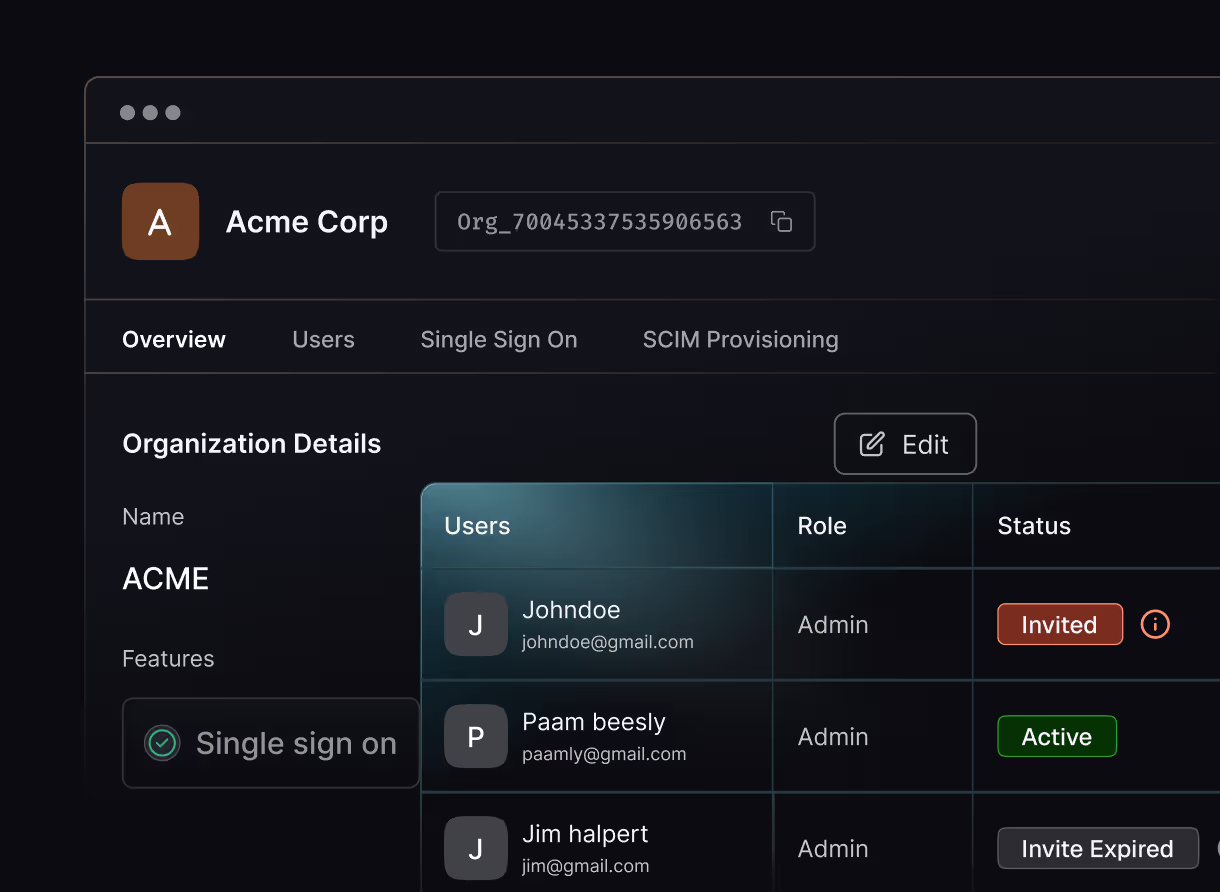
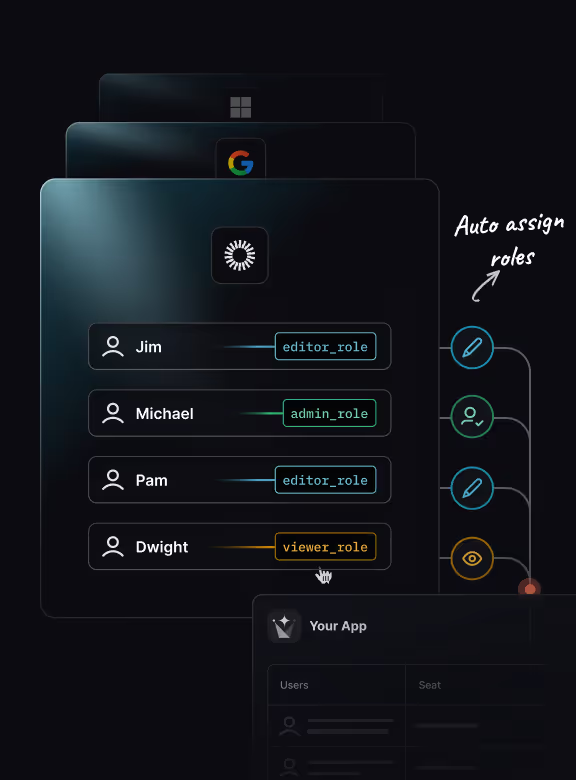
Assign roles to users
Assign one or more roles to a user and combine permissions—without duplicating access checks.
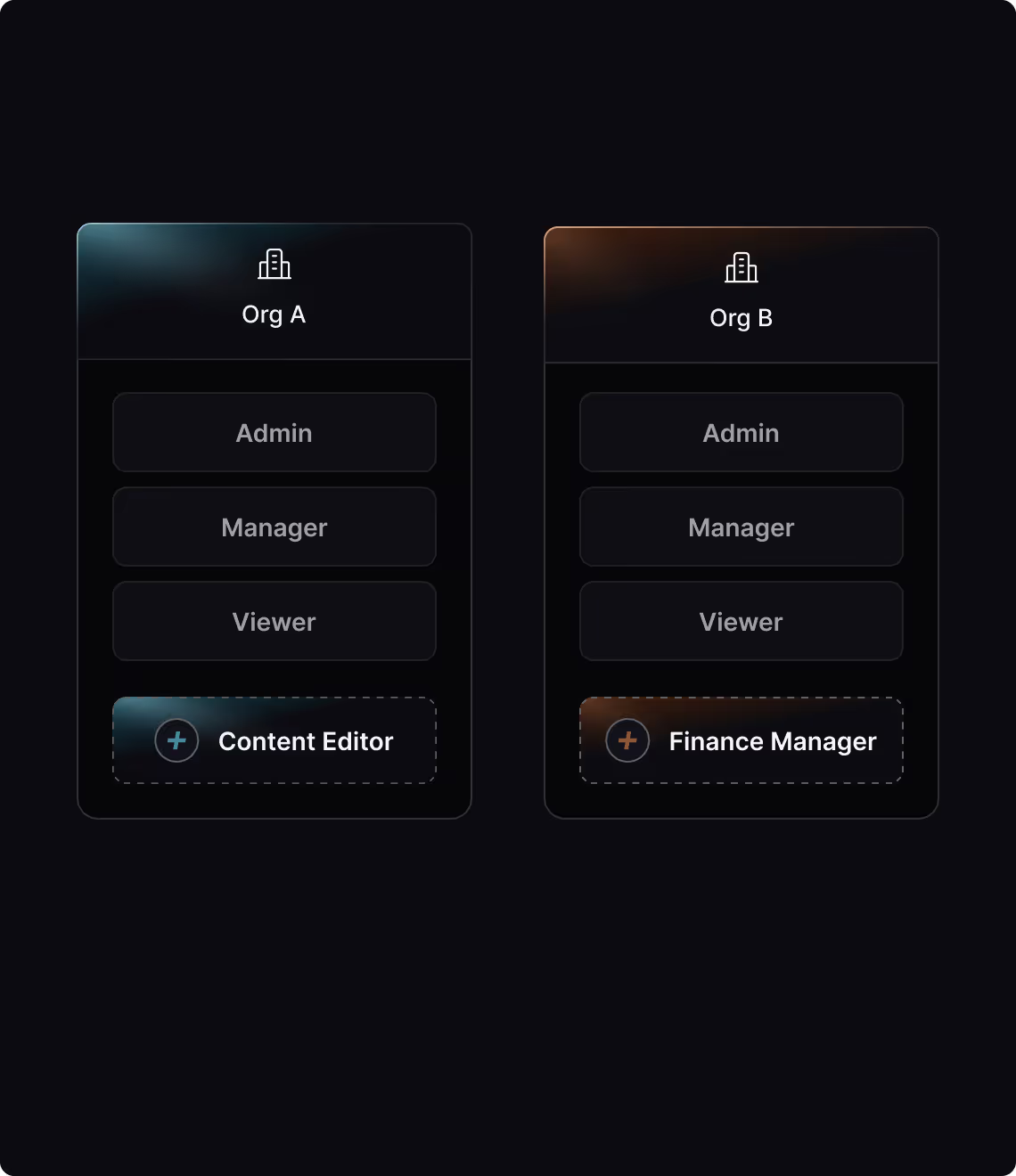
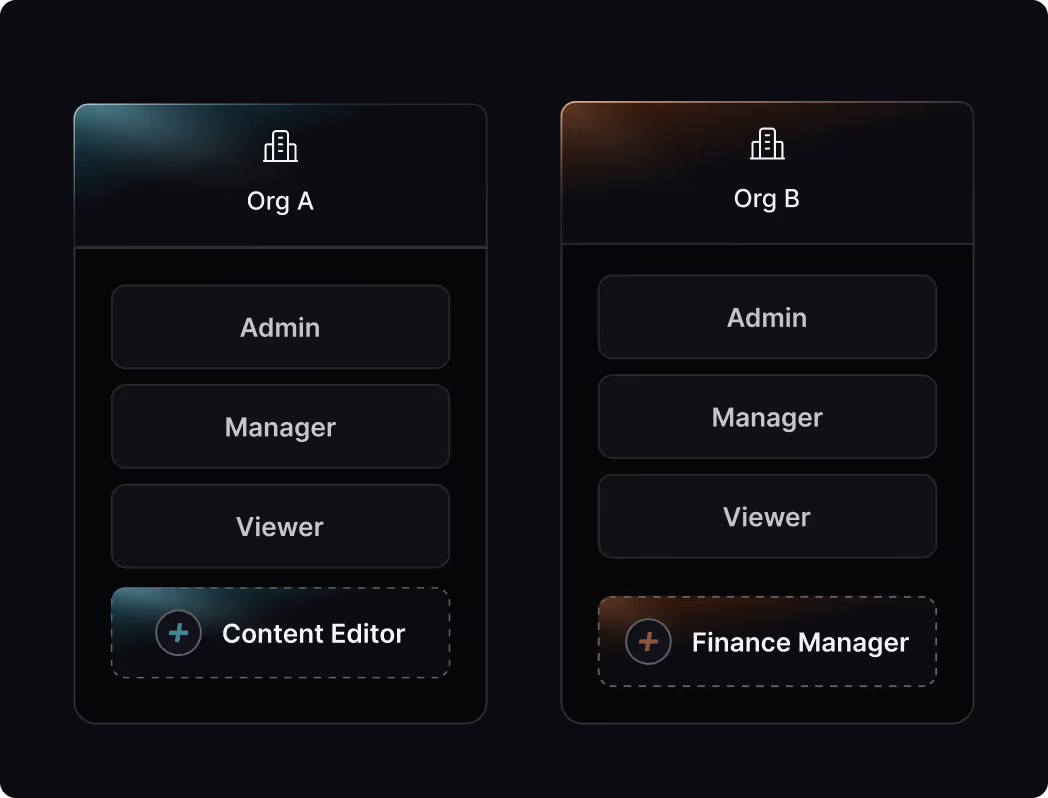
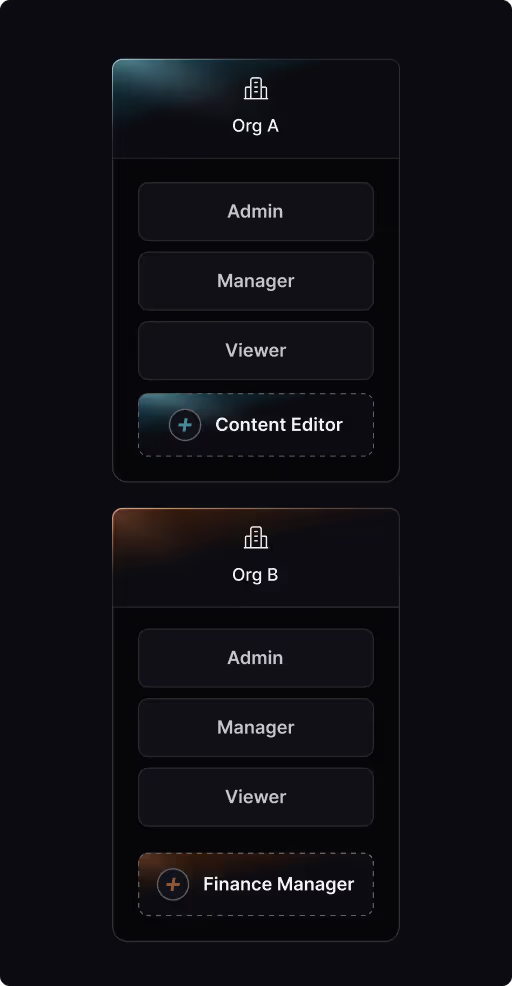
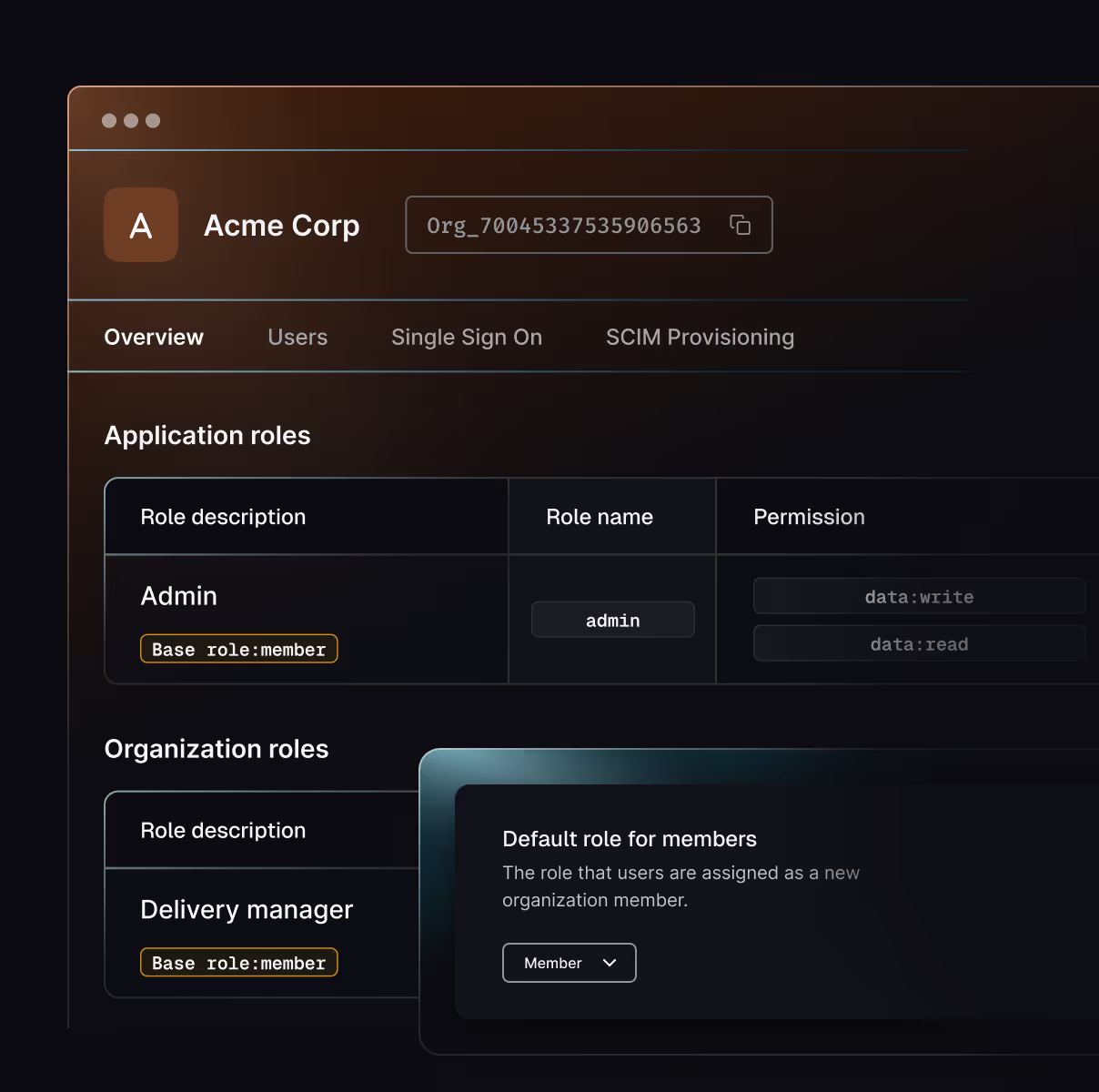
Custom roles per organization
Let every customer define roles that match their teams and plans without impacting other organizations.
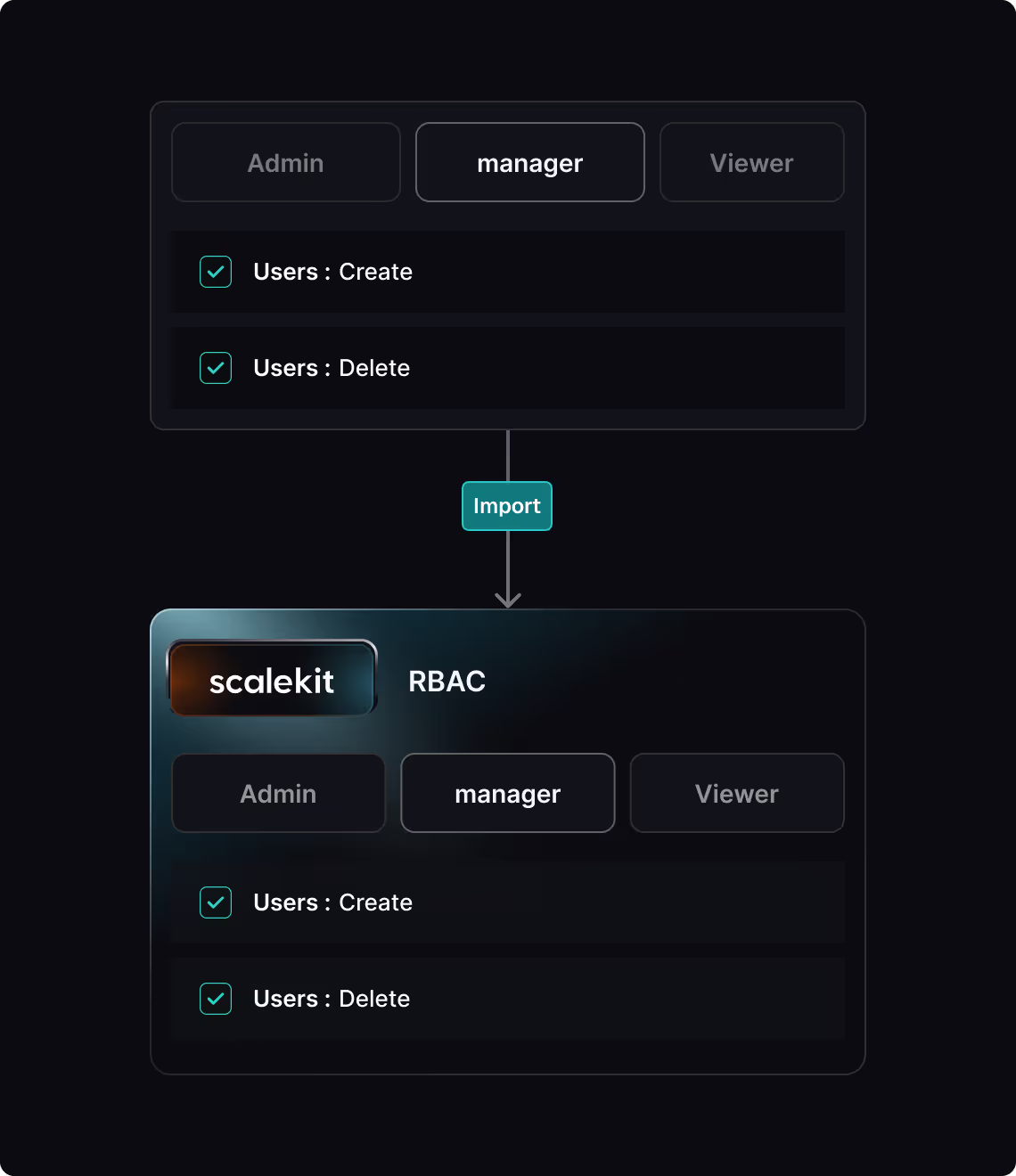
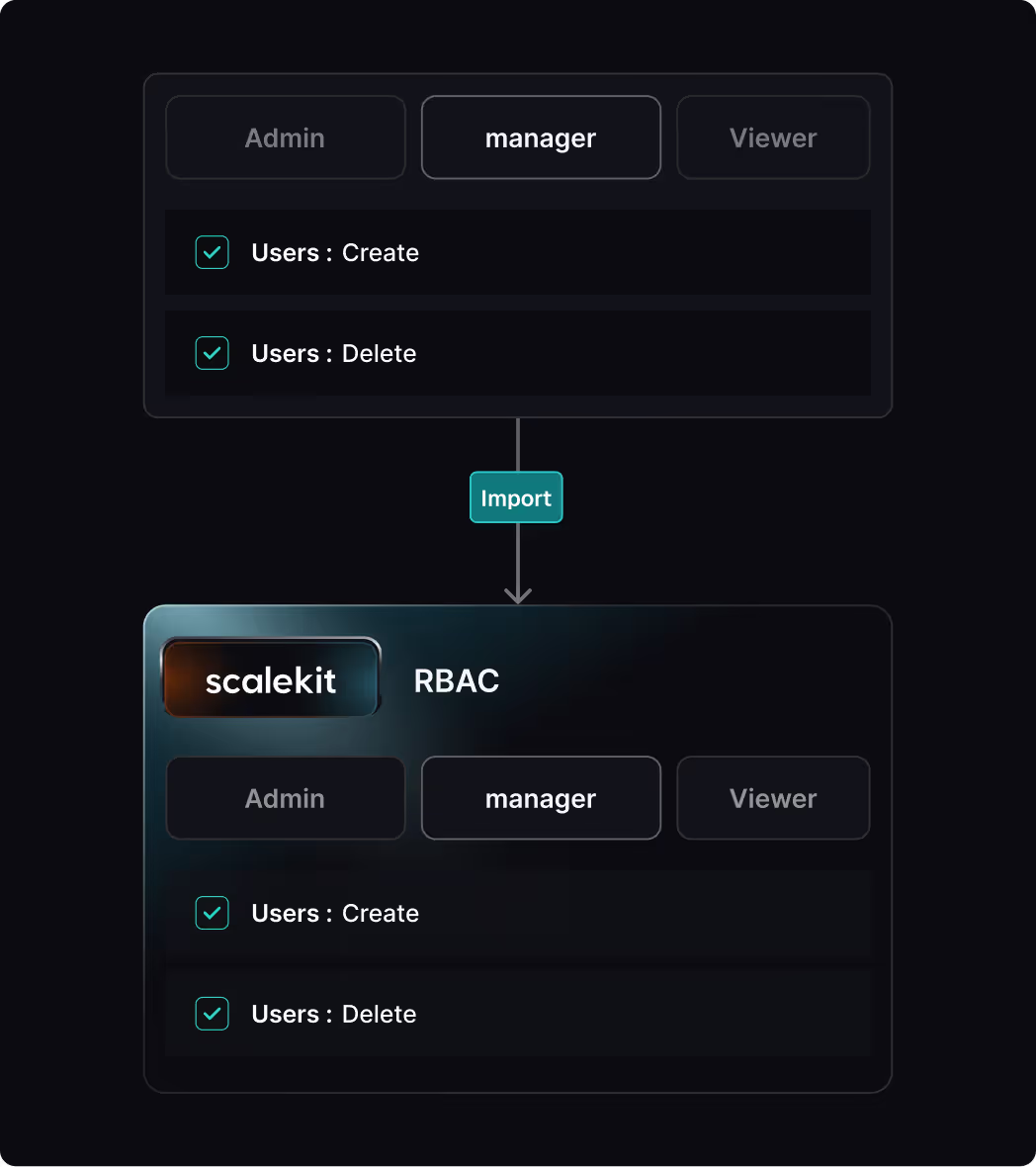
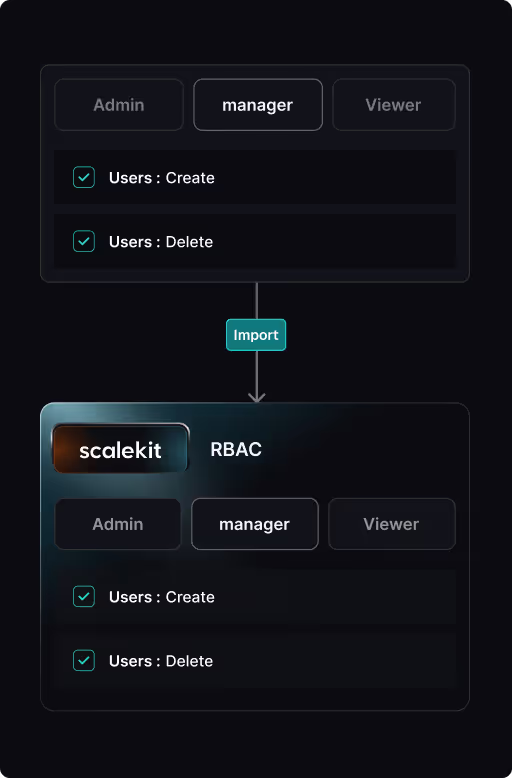
Migrate your existing access model
Import existing roles and permissions and get RBAC running in Scalekit quickly.
Define permissions and roles
Define permissions and roles
Define permissions for product actions and group them into roles, not individual users.
Assign roles to users
Assign roles to users
Assign one or more roles to a user and combine permissions—without duplicating access checks.
Custom roles per organization
Custom roles per organization
Let every customer define roles that match their teams and plans without impacting other organizations.
Migrate your existing access model
Migrate your existing access model
Import existing roles and permissions and get RBAC running in Scalekit quickly.
Keep access in sync as teams and orgs change
Automatically manage roles and assignments as users join, leave, and change teams.
View docs
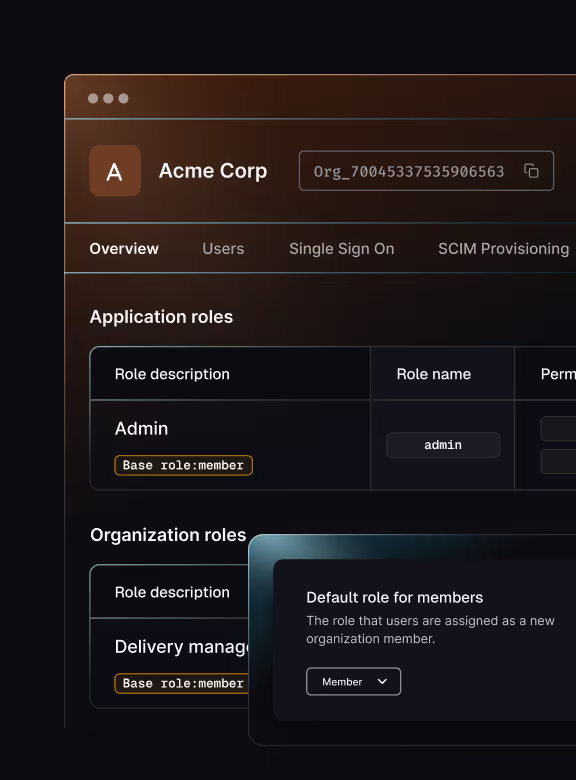
Default roles on invite
Assign a default role when users are invited or created, so access is set correctly from day one.
Admin role management
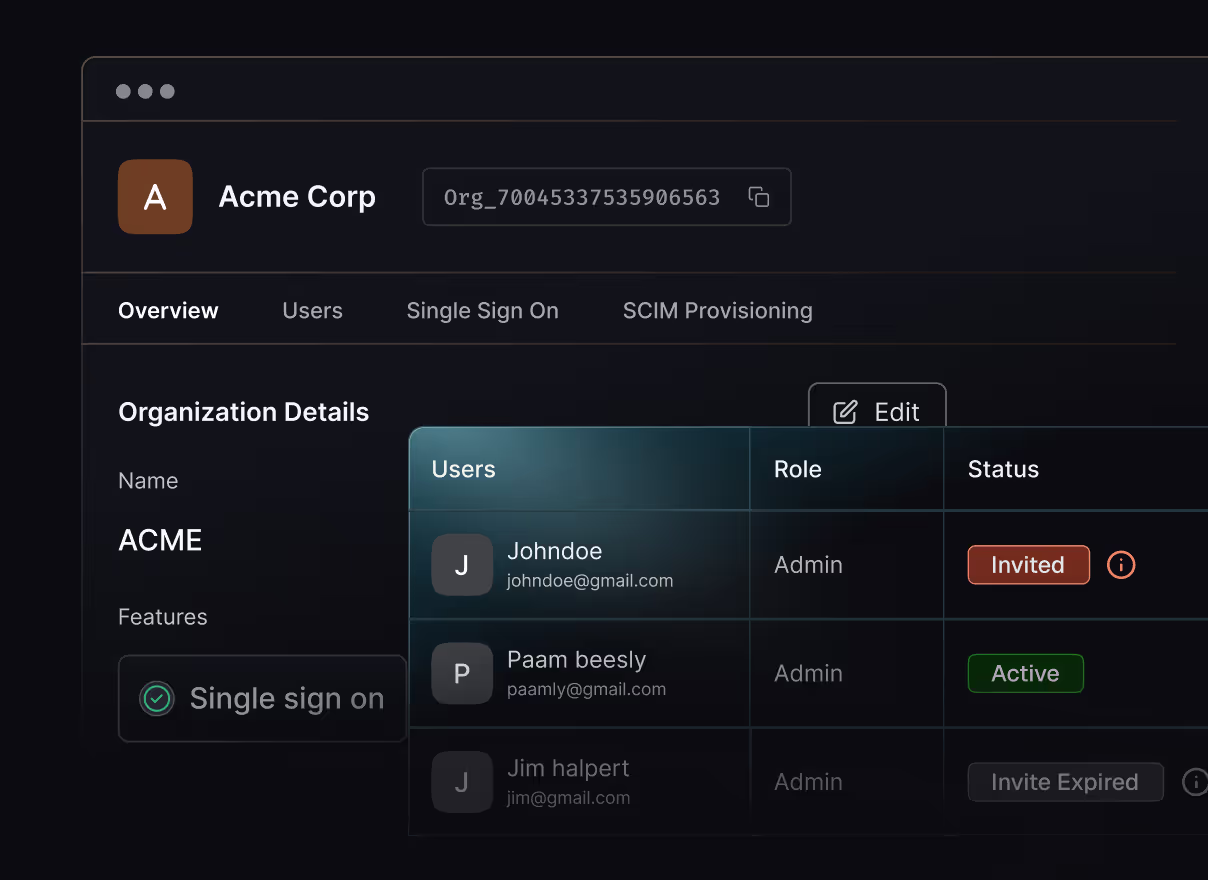
Use prebuilt admin UI to assign, update, and manage user roles without building custom tooling.
SSO & SCIM role mapping
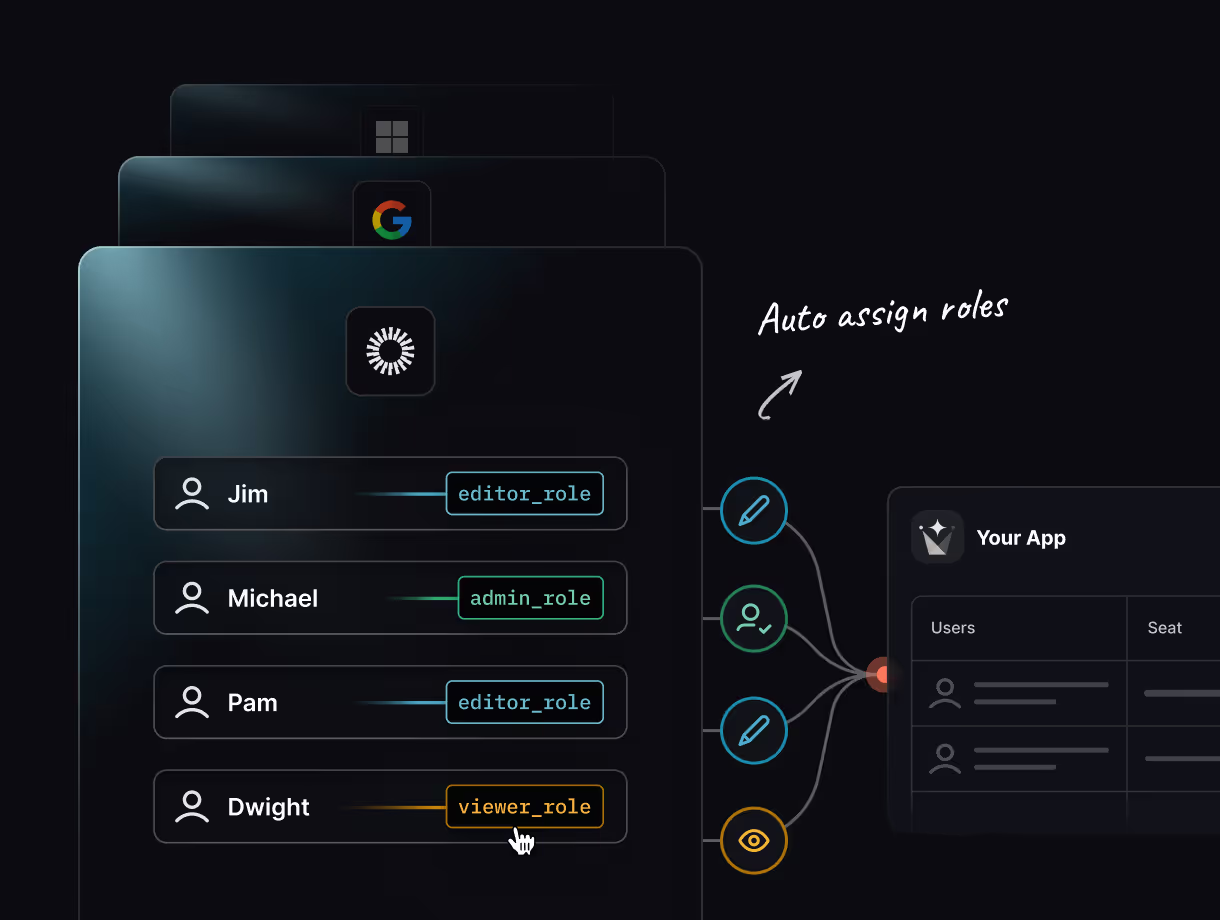
Map identity provider groups directly to roles so access stays in sync as users join, leave, or change teams.
Launching Soon
Fine-grained access for complex access scenarios
Model precise permissions across hierarchies, relationships, and context as your product grows beyond simple role-based access.
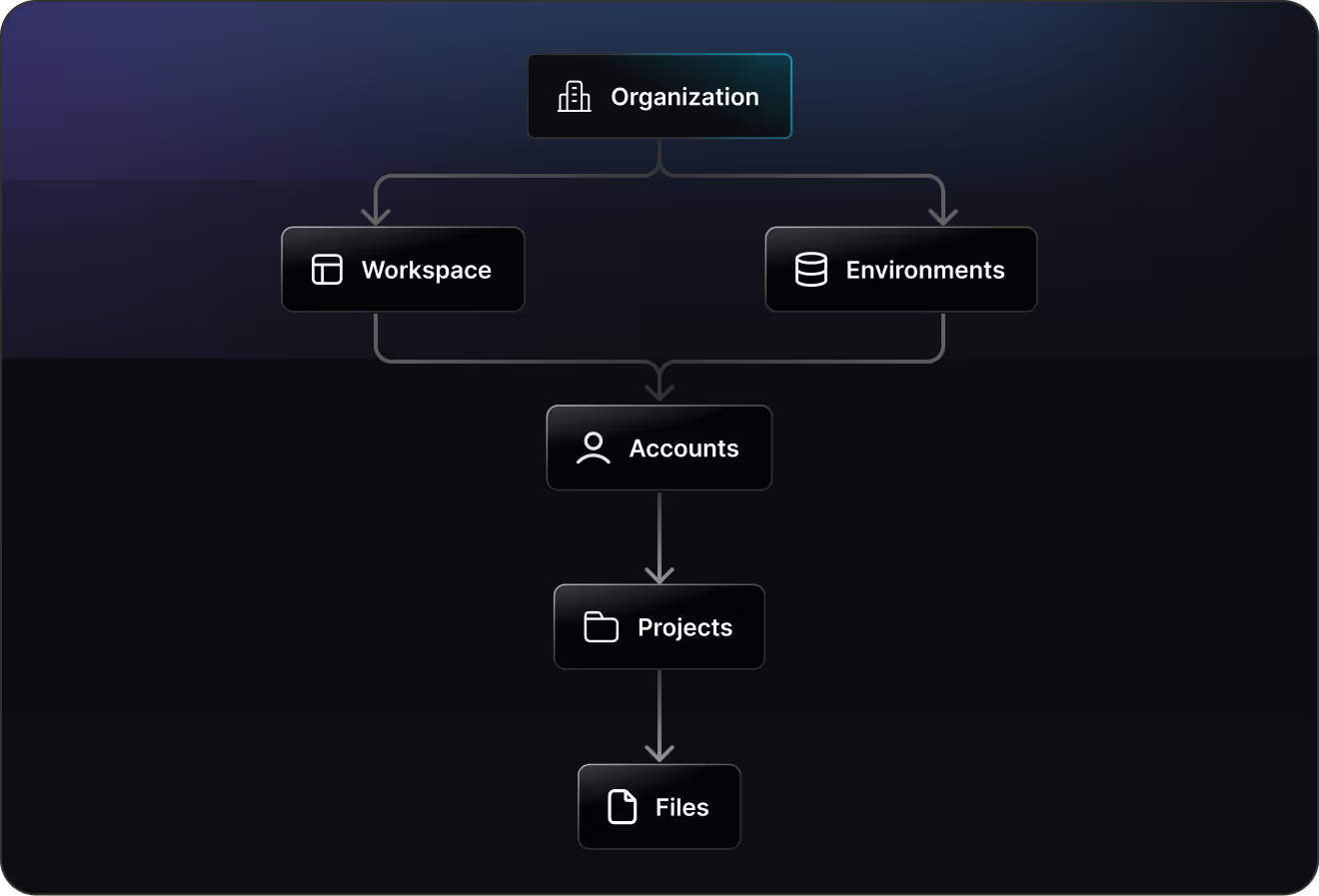
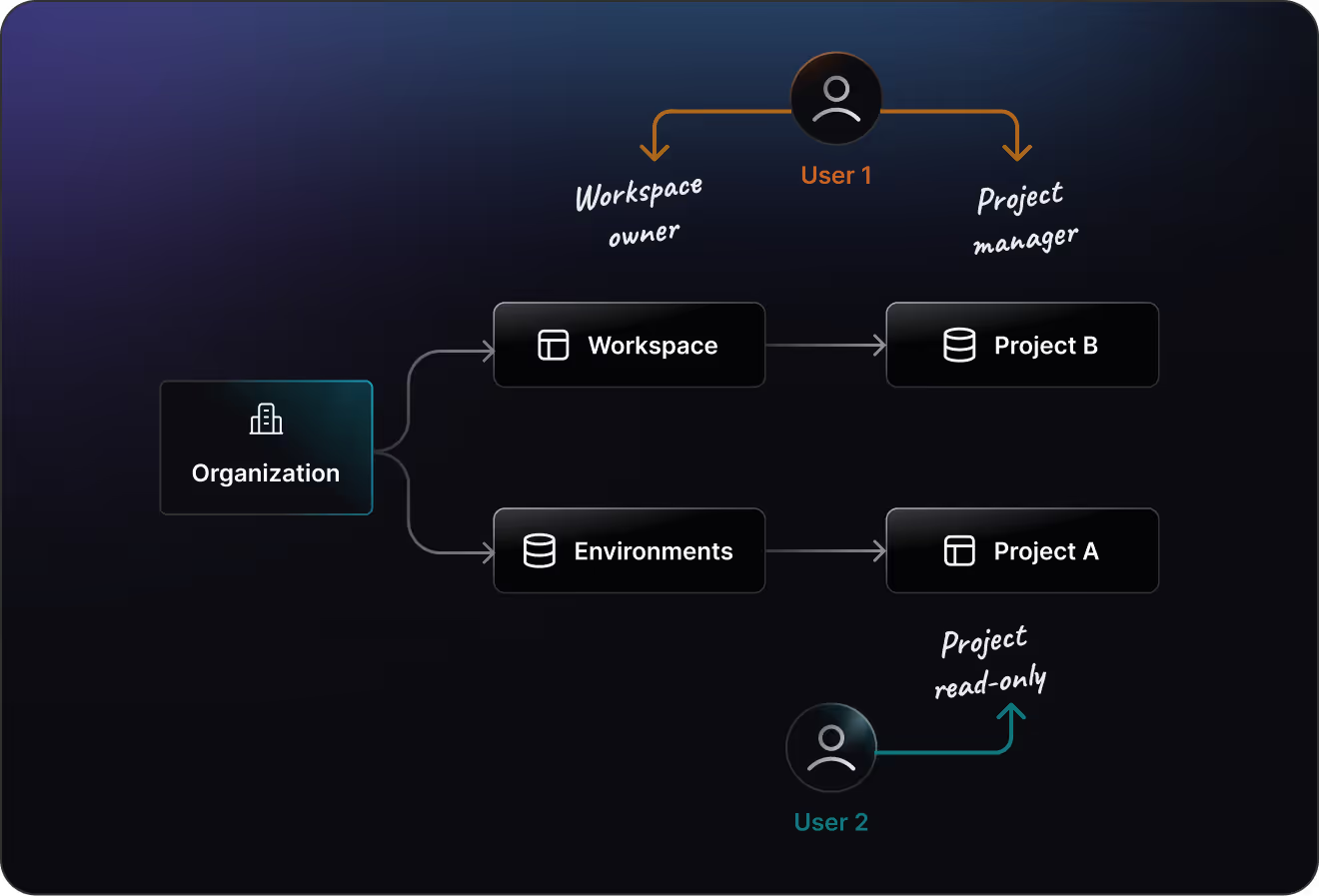
Hierarchical access models
Define permissions based on how your product is structured—orgs, workspaces, projects, and resources.
Inherit access across nested entities
Override permissions at specific levels
Avoid duplicating roles per resource
Relationship-based permissions
Control access based on how users relate to entities—not just the role they hold.
Google Docs–style sharing patterns
Shared access across teams or orgs
Different roles across different entities
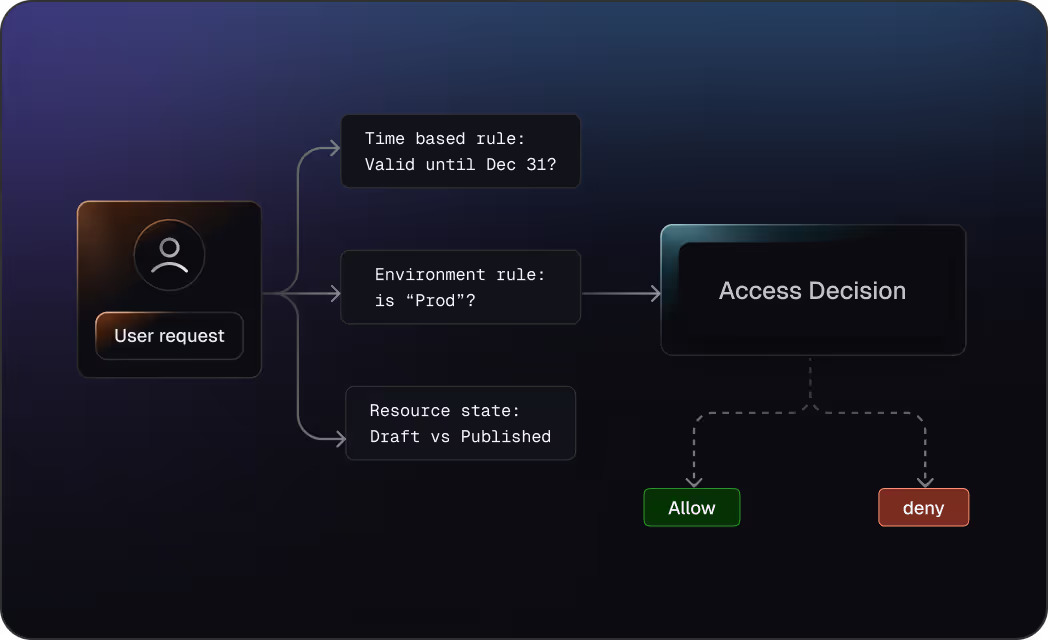
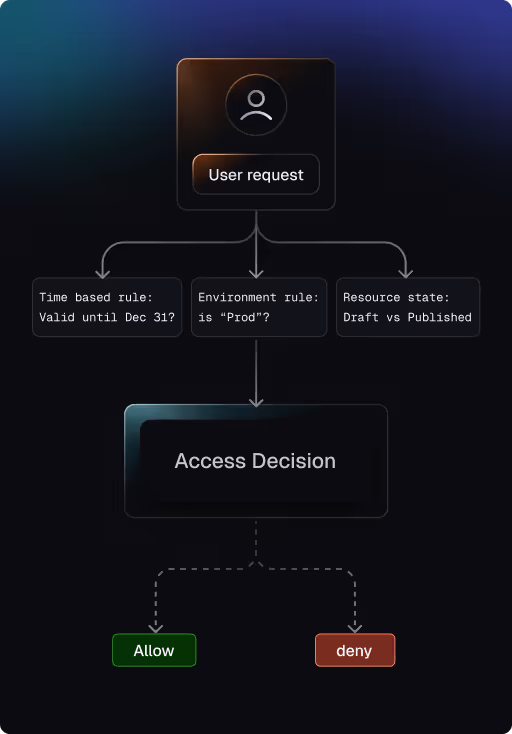
Conditional & contextual access
Add conditional rules when access depends on context such as time, environment, request attributes, or resource state
Time-bound access and expiration
Environment or state-based rules
Request-aware constraints
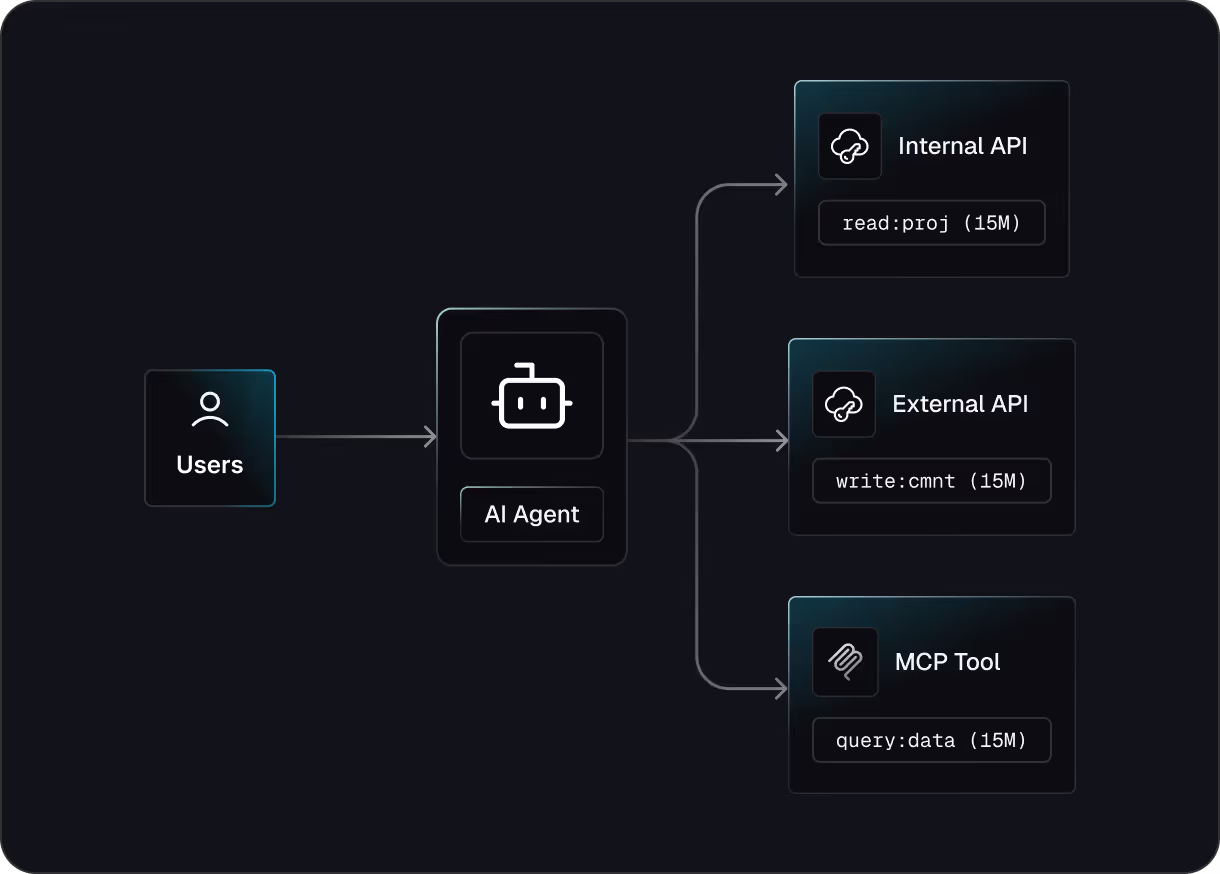
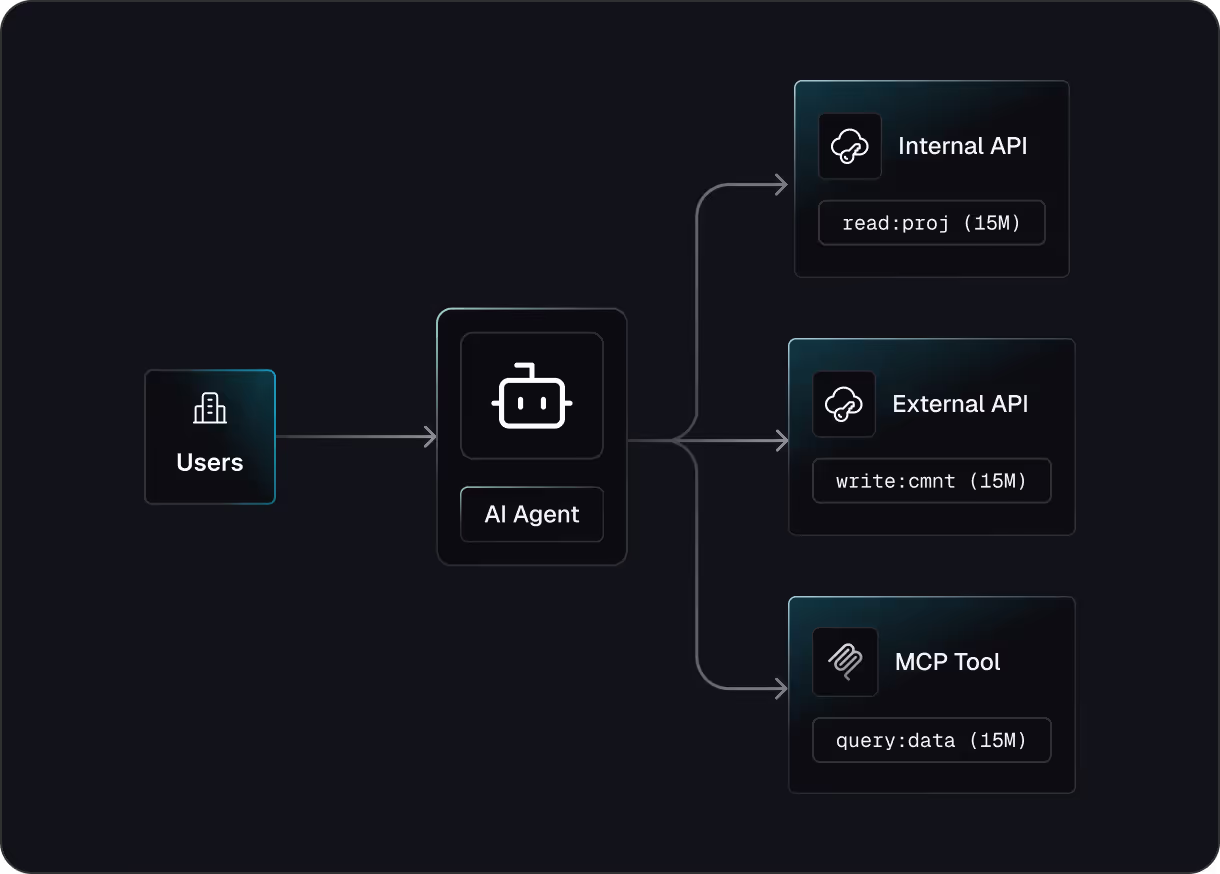
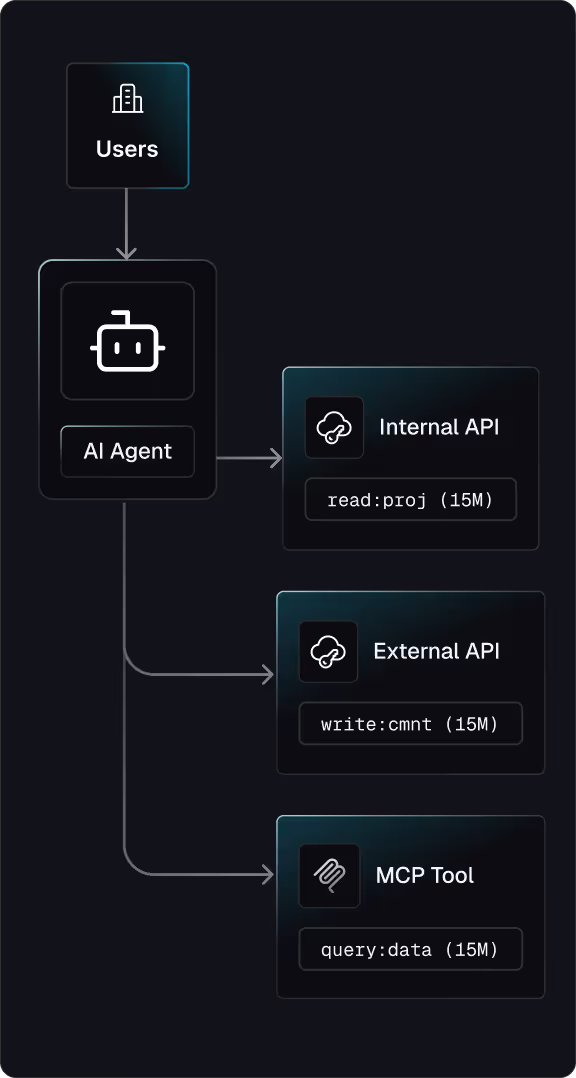
Fine-grained access for autonomous agents
AI agents shouldn’t inherit broad user access or long-lived credentials. They need scoped, time-bound authorization designed for autonomous execution.
Single user identity, multiple apps
Ephemeral credentials
Issue short-lived access that expires automatically, reducing blast radius by default.
Granular access for each app
Time-bound scopes
Limit what an agent can do and for how long—no permanent permissions.
Granular access for each app
Traceable identity
Every agent action maps back to a user/org context for audit and accountability.
Get Early Access
Enforce access consistently across your application
Use roles and permissions available in sessions and tokens to check access reliably at runtime.
View docs
Roles in sessions
Carry roles and permissions in sessions and access tokens for consistent access checks
Explicit permission checks
Check permissions in application code to allow or block actions at runtime using clear, readable logic.
Unified AuthN + AuthZ SDK
Use a single SDK to authenticate users and enforce authorization together, without stitching multiple systems.
Access control that scales with your product
Start with RBAC and evolve to fine-grained access as your product scales.
Get started
View docs
We use cookies, so things load fast, we learn what to fix, and you can always reach us on chat
Okay, got it!