

This is an honest assessment of enterprise readiness platforms in 2026. Not a feature-by-feature product comparison. Not an evaluation of who has the best agent auth or the most AI buzzwords.
This piece focuses on what enterprise readiness actually means for B2B SaaS teams today: SSO, SCIM, admin portals, certificate management, observability, testing infrastructure, and the pricing math at real scale.
WorkOS did good for this category. It gave B2B teams clean APIs for SAML SSO and directory sync so they could close enterprise deals without months of protocol wiring. That was the right product at the right time, and many companies run WorkOS in production today for exactly these capabilities.
The core remains strong:
Since 2023, WorkOS has also expanded into user management (AuthKit), OAuth authorization (Connect), third-party integrations (Pipes), fine-grained authorization, bot detection, and MCP auth, each built on top of that SSO foundation.
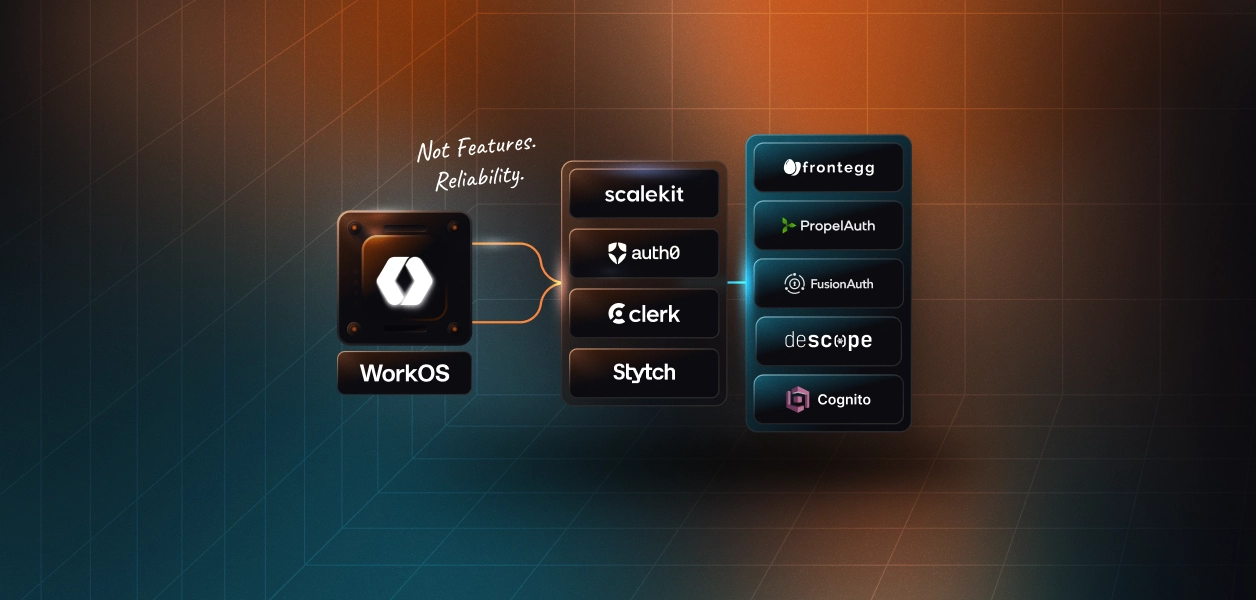
But WorkOS is no longer the only option, and the alternatives have matured. Some offer comparable enterprise-readiness features at meaningfully lower cost. Others take different architectural approaches that change what "enterprise ready" includes.
This article walks through top WorkOS alternatives with an honest take on:
Note: All estimates use a shared scenario: 200 customer organizations, approximately 8,000 monthly active users, and 50 organizations requiring enterprise SSO with SCIM. But pricing only paints the picture of estimates and a look at underlying philosophies. They are not a representation of actual, negotiated contracts.
Also, WorkOS' SSO connections start at $125 per connection per month, with Directory Sync priced identically. At 50 enterprise customers with both SSO and SCIM, the monthly bill reaches $8,250 to $11,250. Volume discounts apply ($100 at 16 to 30, $80 at 31 to 50, $65 at 51 to 100), but the base rate remains roughly double what some of the WorkOS alternatives charge for equivalent coverage.

Enterprise readiness credentials: Scalekit is a developer-first auth stack built for B2B applications.
Scalekit's enterprise readiness layer makes it one of the strongest WorkOS alternative. It handles SAML SSO and OIDC SSO across Okta, Microsoft Entra ID, Google Workspace, JumpCloud, OneLogin, AD FS, PingIdentity, Shibboleth, and generic SAML/OIDC connections.
One integration covers every enterprise identity provider your customers will ask for.
SCIM provisioning supports automated user provisioning, deprovisioning, group-to-role mapping, custom attribute sync, and real-time webhooks. A self-service Admin Portal lets customer IT teams configure their own SSO and SCIM connections through a branded, embeddable interface (iframe or magic link) with your logo, accent colors, and favicon.
IdP-initiated SSO. Scalekit supports IdP-initiated SSO and automatically converts these flows into secure SP-initiated flows, eliminating SAML assertion theft and replay attacks without additional configuration. Enterprise IT teams care about this during procurement security reviews.
Automatic certificate management. Scalekit fetches and refreshes IdP signing certificates every 24 hours via metadata URL. Certificate expiry, one of the most common causes of production SSO failures, is handled automatically. This is an operational detail that prevents the 2am page when a customer's cert expires and their entire team loses login access.
Built-in IdP Simulator. Every Scalekit account includes an IdP Simulator. Teams validate SSO flows, test error scenarios, simulate certificate expiry, and debug edge cases before a single enterprise customer touches the login page. No manual IdP configuration for testing. No surprises in production.
Full auth logs, included. Rich auth log payloads with complete request-level detail are included in every account. When an SSO flow fails, you see the full request, the IdP response, the assertion, and the error context. Debugging SSO does not require a plan upgrade.
Unlimited environments. Development, staging, QA, and production environments are included at no additional cost. Charges apply only for production usage.
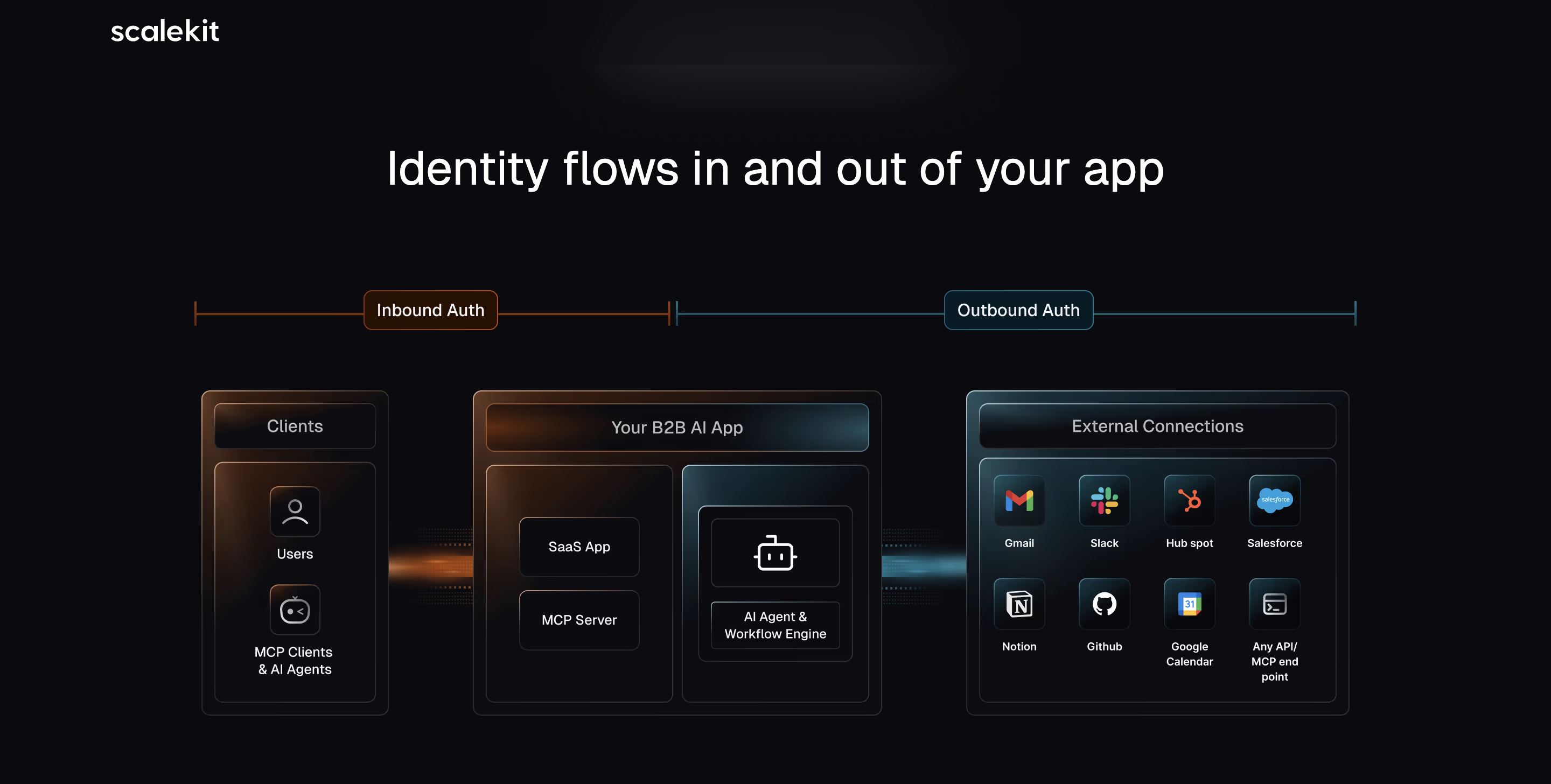
Manage enterprise auth from your IDE. Scalekit ships an official MCP server that works with Claude Desktop, VS Code, Cursor, and Windsurf. Developers can manage organizations, users, SSO connections, and environments through natural language directly from their IDE. Creating a test organization, configuring an SSO connection, or checking the status of a SCIM sync becomes a conversational prompt instead of a dashboard context switch. The server is secured with OAuth 2.1, uses dynamic client registration, and is open source. Configuration is a single line in your MCP client config.
This is not a marketing feature. It is how Scalekit's own team operates the platform internally. When your auth provider gives developers IDE-native access to manage enterprise identity workflows, the feedback loop between "something is broken" and "it is fixed" gets measurably shorter.
At 50 enterprise SSO connections, Scalekit costs roughly $2,300/month vs WorkOS at $5,600/month for equivalent coverage. That is approximately $40,000/year in savings, and the gap widens as you grow because Scalekit's volume discounts are steeper. At 100 connections, Scalekit's per-connection rate reaches $30 while WorkOS is at $65.
Incremental adoption. Scalekit sits alongside Auth0, Firebase, AWS Cognito, or any custom auth system and adds enterprise SSO and SCIM on top. No migration required. Your existing user management, session handling, and login flows stay exactly as they are.
Estimated monthly cost (shared scenario): ~$2,300 to $3,500/month for SSO + SCIM. (Explore Scalekit's Pricing)
Enterprise readiness credentials: Auth0 is the most established name in authentication.
It supports enterprise SSO through the Organizations feature, with SAML and OIDC connections to major identity providers. It offers MFA, social login, passwordless auth, and a flexible rules and actions system.
Auth0 platform has the largest community and the deepest library of integration guides in the category.
Beyond 5 connections, teams need to engage sales for enterprise pricing. This tiered gating makes it difficult to forecast costs and creates procurement friction as your enterprise customer base grows. Auth0's per-MAU pricing model compounds alongside per-connection costs. At 8,000 MAUs and 50 SSO connections, the combination of user-based and connection-based billing pushes costs into enterprise-tier negotiations. Each environment (dev, staging, production) requires a separate tenant, which means paying for the same user base multiple times across environments.
Estimated monthly cost (shared scenario): $3,500 to $6,000+/month. Requires sales engagement at this scale.
Recommended Reading: Why Auth0 starts to feel constraining for AI-native B2B apps?
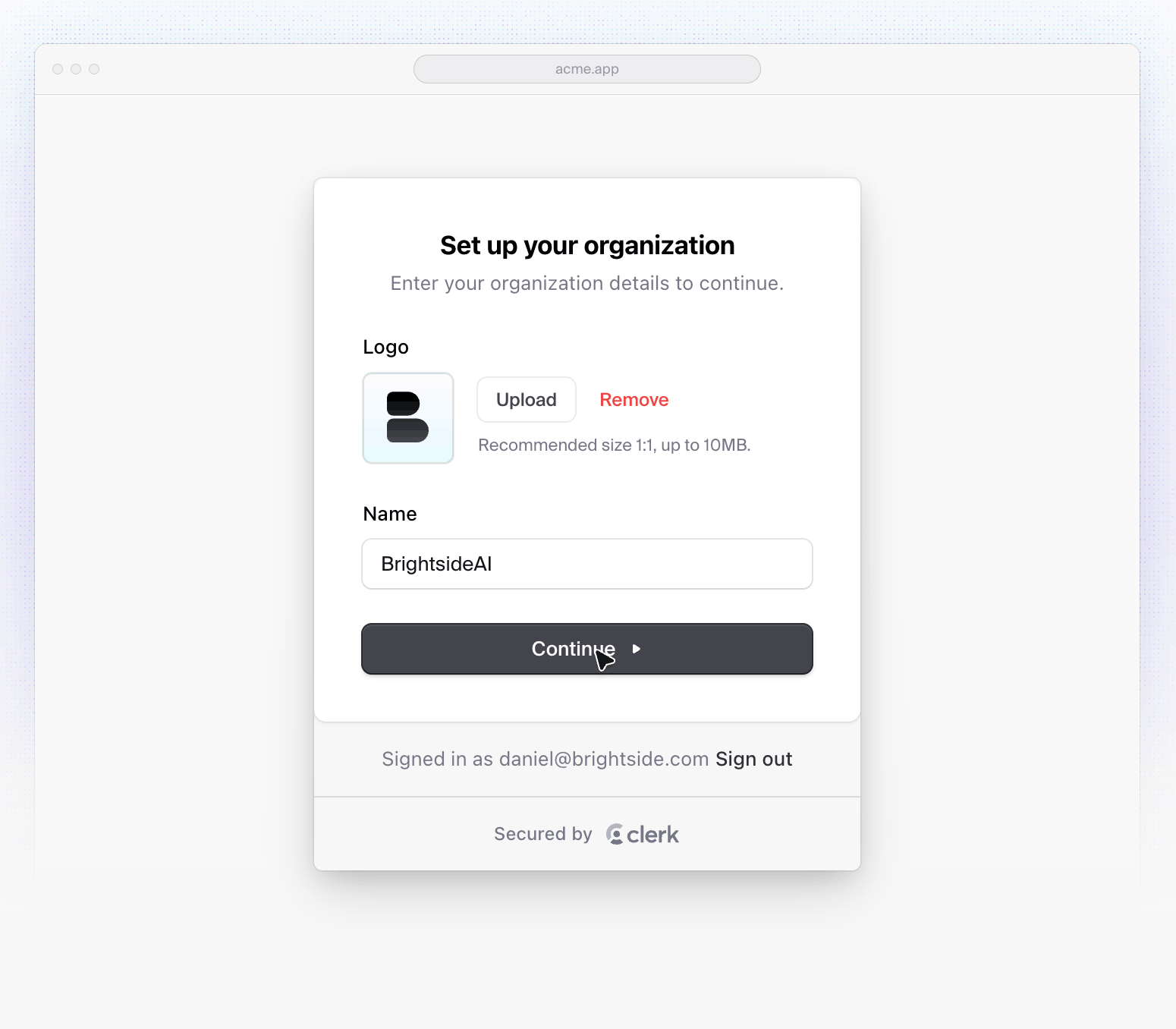
Enterprise readiness credentials:
Clerk's strength is developer experience for frontend-centric B2B applications with moderate enterprise requirements. It is not designed for teams selling to dozens of enterprise customers who each need SSO, SCIM, and self-service onboarding.
Estimated monthly cost (shared scenario): $285 to $385/month for Pro + add-ons. Does not include SCIM (unavailable natively) or enterprise SSO at scale (custom pricing).
Recommended Reading: Is Clerk Still the Right Fit for B2B SaaS?
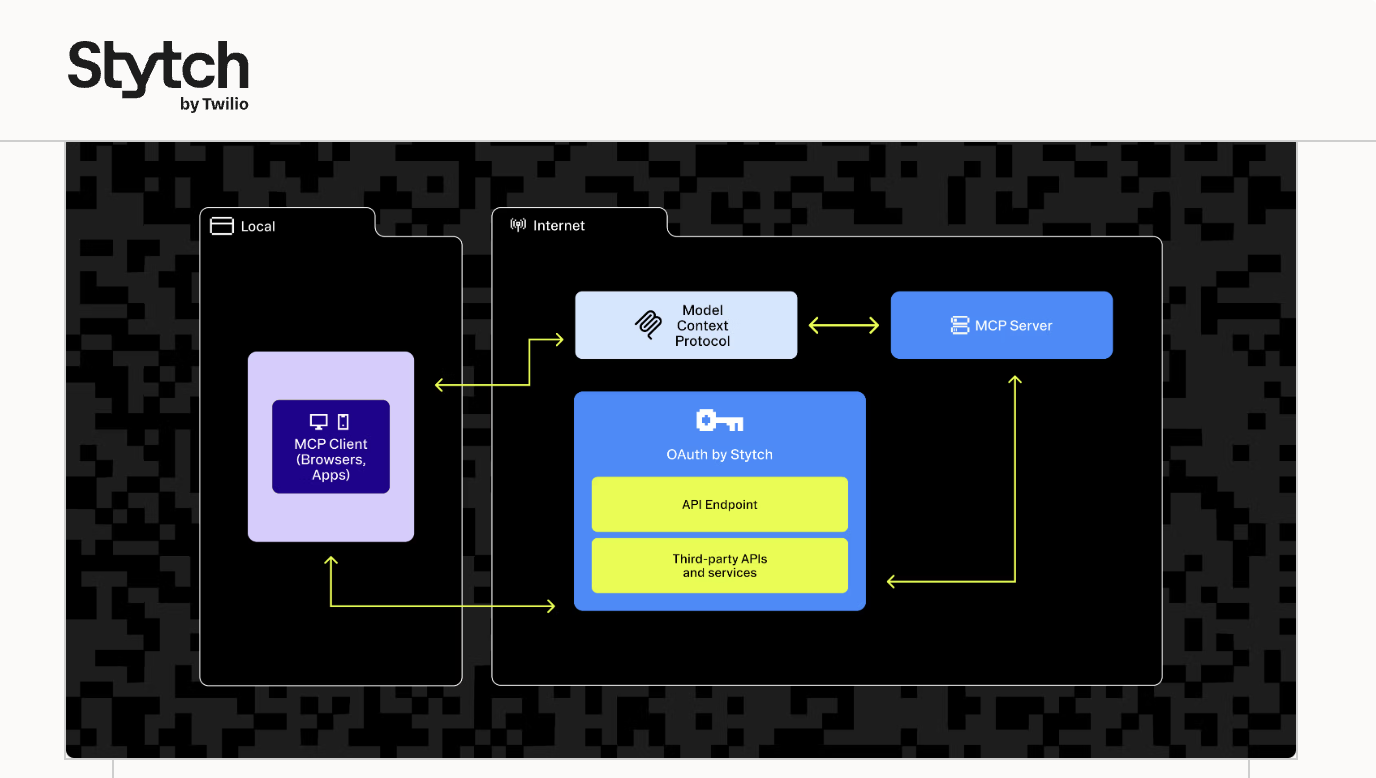
Enterprise readiness credentials: Stytch's B2B product is built around Organizations and Members, with SSO, SCIM, RBAC, MFA, and a headless approach.
The free tier is generous (10K MAUs, 5 SSO/SCIM connections, unlimited orgs), which makes Stytch strong for early-stage teams testing enterprise readiness with a small number of customers.
The cost curve for Stytch steepens once you move past those thresholds.
Estimated monthly cost (shared scenario): $5,625 to $11,349/month for SSO + SCIM at scale.
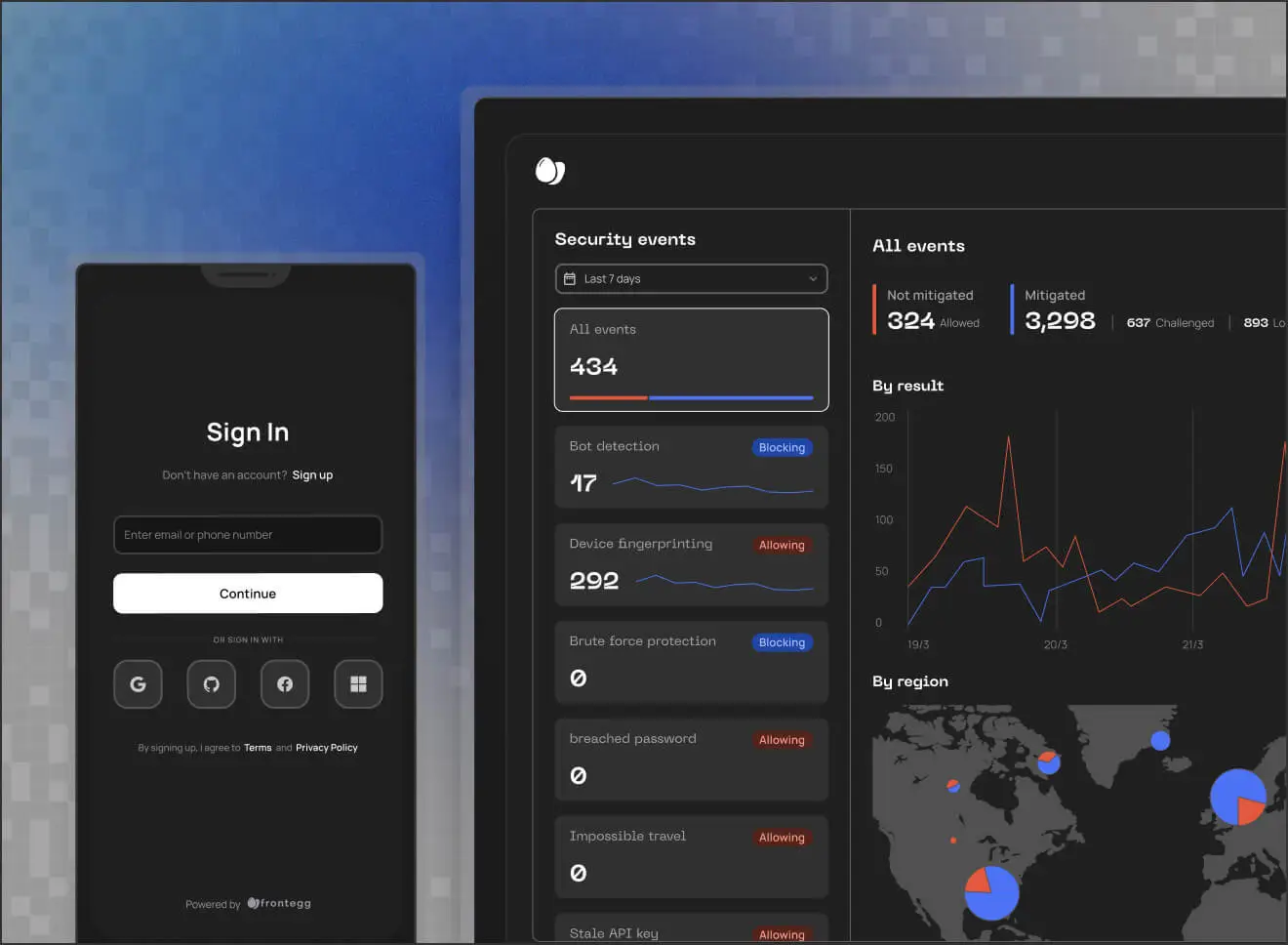
Enterprise readiness credentials: Frontegg bundles SSO, SCIM, roles, entitlements, and an embedded admin portal into a single B2B SaaS product.
Pricing starts at $99/month for 10 tenants and 1,000 users. At 200 orgs and 8K MAUs, higher tiers apply with pricing that is not fully public. The bundled approach means you pay for capabilities you may not use.
Estimated monthly cost (shared scenario): ~$3,000+/month depending on tier and negotiated pricing.
Recommended Reading: Frontegg Alternatives in 2026

Enterprise readiness credentials: PropelAuth was designed for B2B SaaS with an org-native user management model.
PropelAuth works well when teams adopt its full-stack approach as intended.
Constraints appear when requirements call for custom auth UI, selective integration with an existing system, or enterprise features beyond standard patterns. Per-connection SSO pricing and detailed volume discount tiers are not as transparently published like Scalekit.
The platform is opinionated, which accelerates standard use cases but can slow teams with non-standard requirements. Enterprise customers with complex IdP configurations or multi-domain setups may require more manual handling.
Estimated monthly cost (shared scenario): $300 to $600/month. Strong value at early-to-mid scale.

Enterprise readiness credentials: FusionAuth provides identity primitives with self-hosted and managed deployment options.
Where friction appears for enterprise readiness specifically:
FusionAuth Tenants act as namespaces for isolating users and configuration, not as native customer organizations within a B2B application. Enterprise SSO workflows (per-customer IdP configuration, connection lifecycle management), SCIM provisioning, self-service admin portals, and customer-facing admin experiences are all team-built. This means significant engineering investment before the first enterprise customer can self-configure SSO.
FusionAuth is a strong choice for teams that want maximum infrastructure control and are willing to build the B2B enterprise-readiness layer themselves. It is not the right choice for teams that want enterprise readiness shipped as a managed service.
Estimated monthly cost (shared scenario): $500 to $2,000/month for managed hosting. Self-hosted community edition is free. Engineering cost to build the enterprise B2B layer is the primary investment.
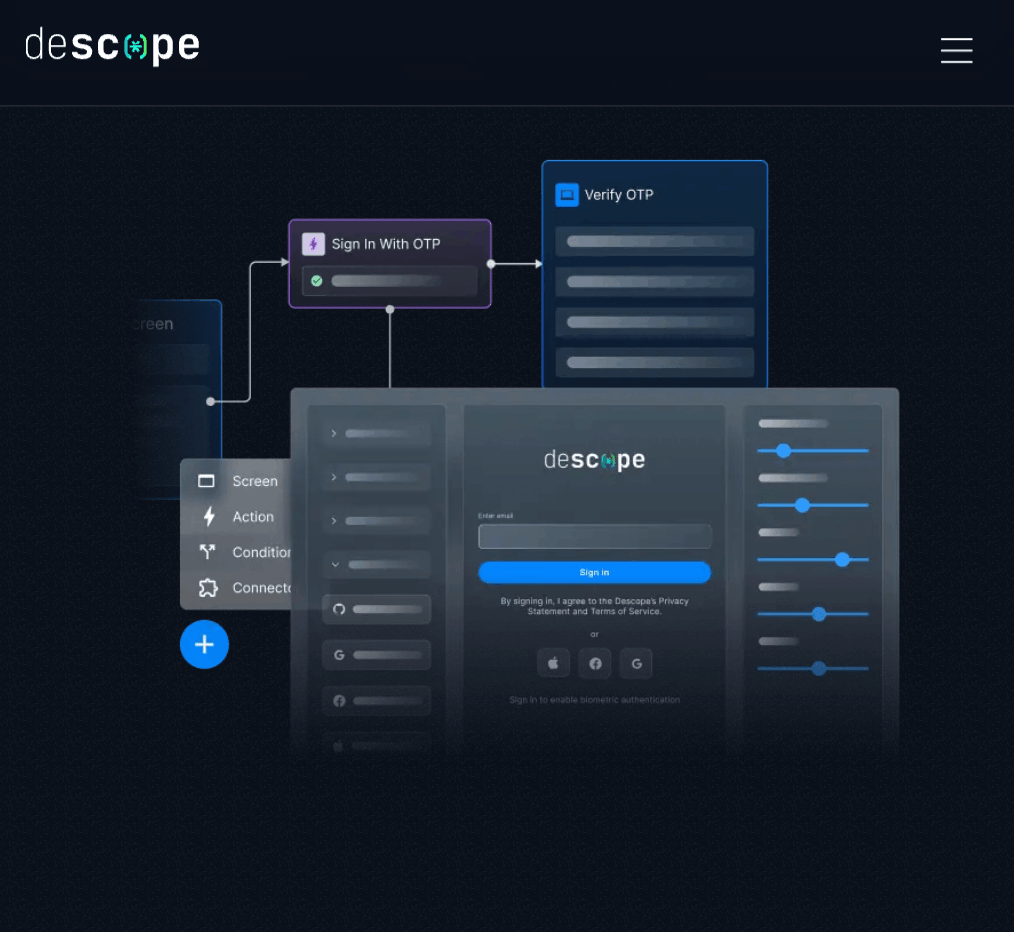
Enterprise readiness credentials: Descope supports enterprise SSO (SAML and OIDC), SCIM provisioning, and RBAC.
Pricing becomes less transparent at larger scales. The free tier includes 7,500 MAUs and 3 SSO connections. Beyond that, the Growth tier ($249/month for 5 connections) and Scale tier ($799/month for 10 connections) are published, but 50-connection pricing requires custom engagement.
The visual-first approach may appear as a differentiator for teams that prefer configuring workflows graphically.
But it can become a constraint for teams that need deep programmatic control over auth flows, custom error handling, or non-standard SAML configurations that edge cases require.
Estimated monthly cost (shared scenario): $3,000 to $4,000+/month at this scale. Exact pricing depends on negotiated terms.
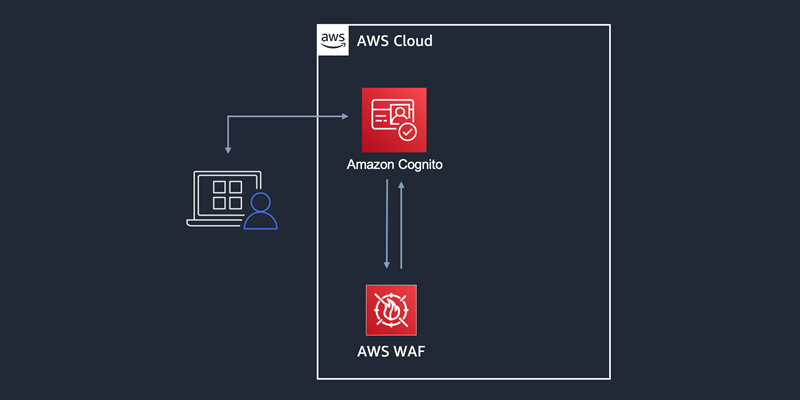
Enterprise readiness credentials: Cognito provides basic authentication within the AWS ecosystem with tight Lambda and API Gateway integration.
Pricing is generous at scale for user authentication.
Cognito has no native concept of organizations, per-customer SSO configuration, SCIM provisioning, admin portals, or enterprise onboarding workflows.
Cognito is the right foundation for teams with strong AWS infrastructure expertise who want to build enterprise readiness from primitives. It is not a managed enterprise-readiness solution.
Estimated monthly cost (shared scenario): ~$0 for base auth at 8K MAUs. Engineering cost for enterprise-readiness features is the dominant expense.
Recommended Reading: Is AWS Cognito a Good Fit for B2B SaaS in 2026?
Scalekit is the auth stack for B2B applications. Your first SSO connection is free. No credit card required. Get started for free or talk to an engineer.
Model the math at your expected enterprise customer count in 12 months. At 50 connections, the difference between $60/connection and $125/connection is $3,250/month. At 100, it is over $3,500/month.
Deep auth logs, testing infrastructure, built-in MCP servers and extra environments are not luxuries. They are operational necessities for running enterprise SSO in production. Include them in your cost comparison.
If the platform does not ship a built-in IdP simulator, your team is testing against live identity providers. That means slower iteration, more surprises in production, and longer debugging cycles when enterprise customers report login issues.
Ask whether SCIM provisioning, deprovisioning, and group-to-role mapping are built into the platform or require custom implementation through extensions and middleware.
The best platforms sit alongside your existing auth and add enterprise readiness without replacing your user management or login flows. If adopting SSO requires migrating your entire auth stack, the switching cost will delay the decision.
Enterprise procurement checklists are starting to include questions about MCP server authorization and agent identity. Ask whether the platform can extend to those surfaces within the same identity model, or whether they require separate integration work.