

Modern B2B AI products are no longer centered on a single human logging into a single application. They are distributed systems where users, organizations, services, APIs, and autonomous agents all operate within shared trust boundaries.
That shift exposes a mismatch between how most authentication platforms were designed and how AI platforms now behave in production.
Auth0 and similar tools solved login, user authentication, and enterprise SSO extremely well. As agents move from experiments to core infrastructure, authentication stops being a UI concern and becomes part of the system architecture itself.
This post looks at why agent authentication is now foundational for B2B AI platforms, where traditional auth models break down, how teams evaluate both general and agent-focused alternatives, and where full-stack identity approaches fit.
In AI platforms, agents are not background jobs. They call APIs, invoke tools, coordinate workflows, and act on behalf of users or entire organizations. They often do this continuously and without human interaction.
From an architectural standpoint, this creates requirements that human-centric authentication never had to solve:
When agent identity is treated as an afterthought, these guarantees are difficult to provide consistently.
Most teams start with a familiar setup. Human users authenticate through a standard auth provider. Agents use API keys or long-lived tokens. Organization context is injected through claims or middleware.
This approach works initially but degrades as systems grow. Common failure modes include:
At that point, authentication is no longer a layer. It is implicit system behavior that only a few people fully understand.
Auth0 is a powerful and flexible platform. It excels at user authentication, social login, and enterprise SSO. Its core model, however, is application-centric and human-first.
In agent-heavy systems, this shows up in several ways. Machine to machine tokens exist but are not modeled alongside users and organizations. Delegation and impersonation require custom logic. Organization context must often be encoded manually and enforced outside the platform.
Teams can and do build agent systems on Auth0. However, the trade-off of using auth0 for agents is ongoing ownership of identity behavior that lives outside the auth layer.
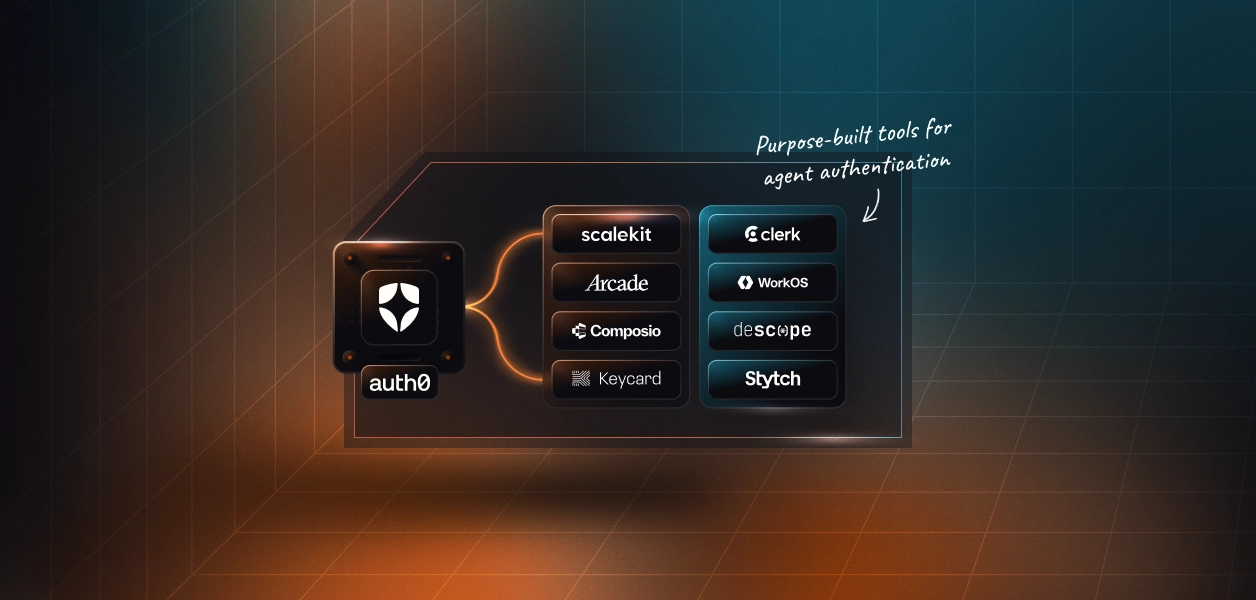
A growing set of vendors are explicitly trying to address the gap between traditional authentication and agent-driven systems. These tools start from the assumption that software, not just humans, acts autonomously and needs security primitives that reflect that reality.
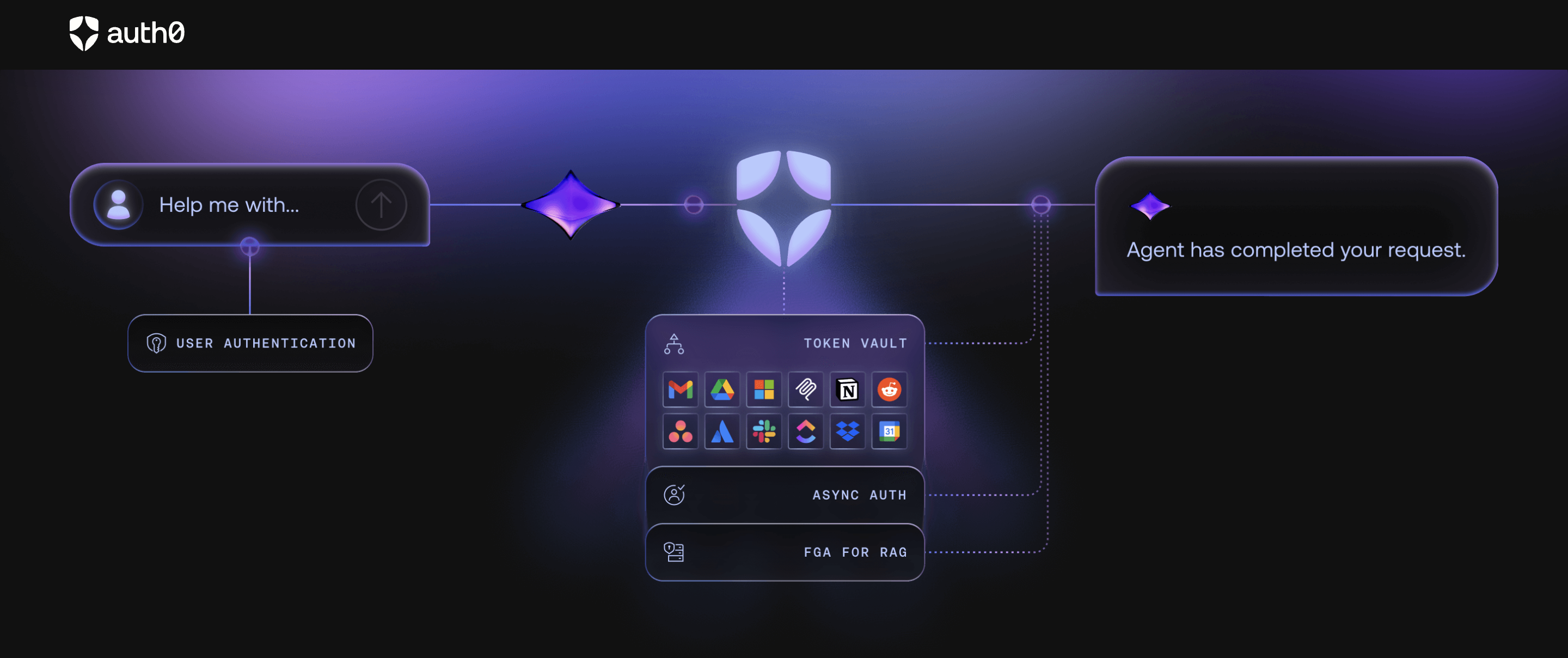
Auth0 for Agents is an attempt to extend Auth0’s existing OAuth and machine to machine capabilities to better support agent access patterns. It builds on familiar constructs such as clients, scopes, and tokens, which makes it approachable for teams already invested in the Auth0 ecosystem.
From an architectural perspective, it works best when:
What to keep in mind is that agent identity remains an extension of an app-centric model rather than a first-class concept.
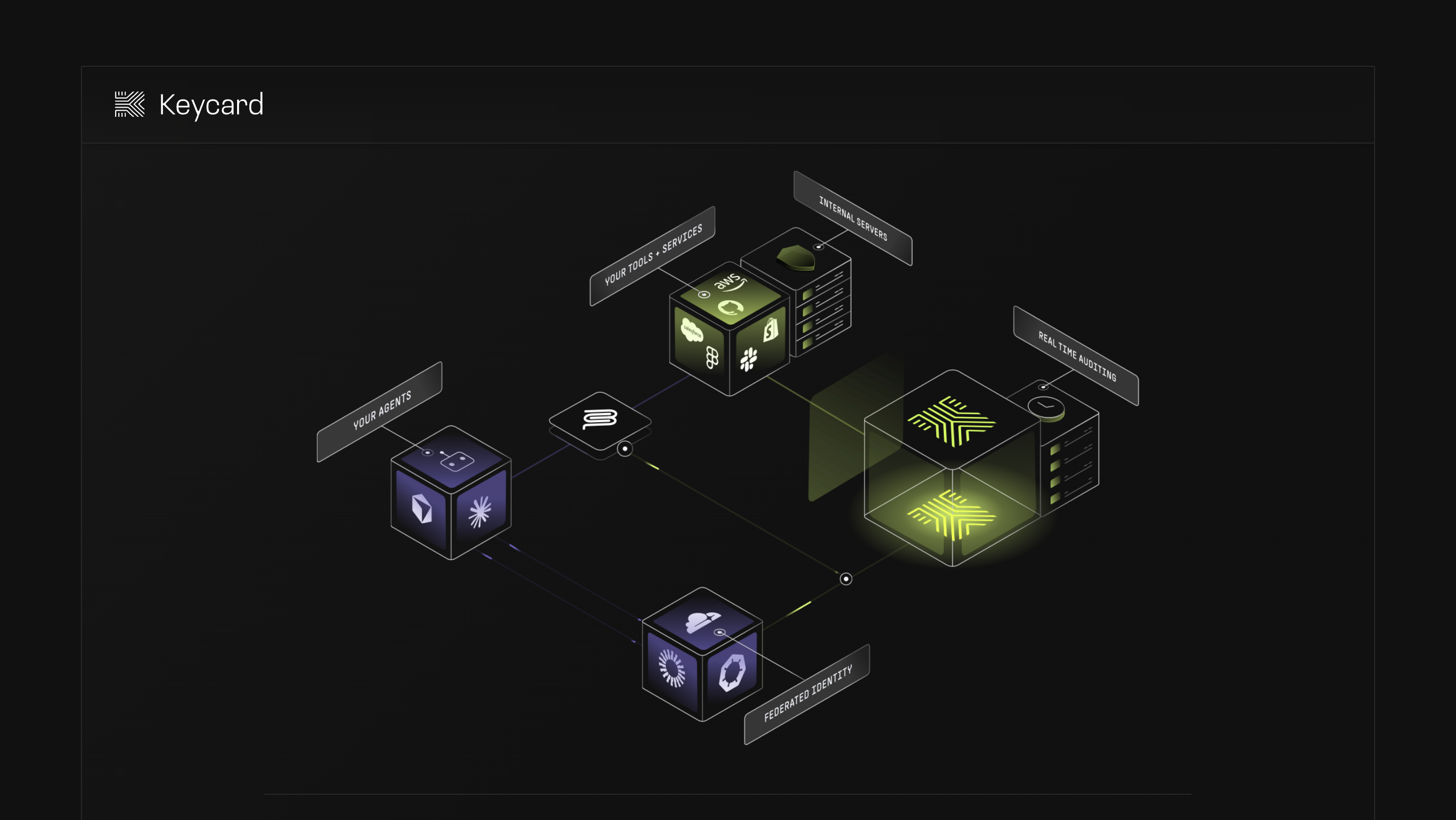
Keycard.sh focuses narrowly on secure credentials for agents and APIs. It is designed for teams that need to issue, rotate, and revoke agent credentials with minimal overhead.
Architecturally, Keycard.sh treats agents as credentialed entities rather than participants in a broader identity graph. This makes it a good fit for infrastructure teams that want strong control over service access without introducing user or organization semantics.
Common considerations include simplicity, clear credential lifecycle, and limited surface area.
What to keep in mind is that user identity, organization boundaries, and delegation typically need to be handled elsewhere.
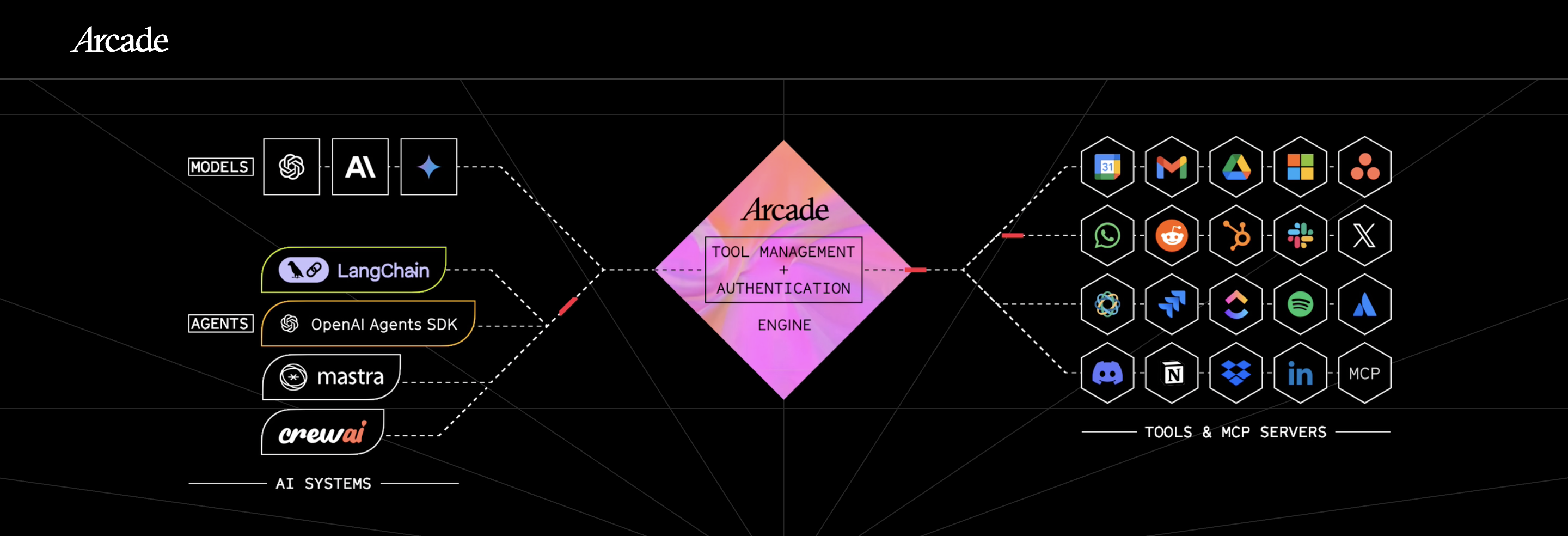
Arcade focuses on securing tool execution for AI agents. Its primary concern is ensuring that agents can only invoke approved tools with appropriate permissions.
In practice, Arcade often sits alongside an existing identity system. It enforces constraints at the tool layer rather than defining who an agent is within the broader system.
Common considerations include strong controls around execution and safety.
What to keep in mind is that Arcade does not aim to be a system of record for identity or access across an entire platform.
Composio positions itself as an integration layer for agents, enabling access to a wide range of third-party tools and services.
From an identity standpoint, Composio assumes that authentication and authorization are handled upstream. Agents inherit access implicitly through configured integrations rather than through explicit identity modeling.
Common considerations include speed of integration and breadth of supported tools.
What to keep in mind is that identity and auditability are indirect and depend heavily on how upstream systems are designed.
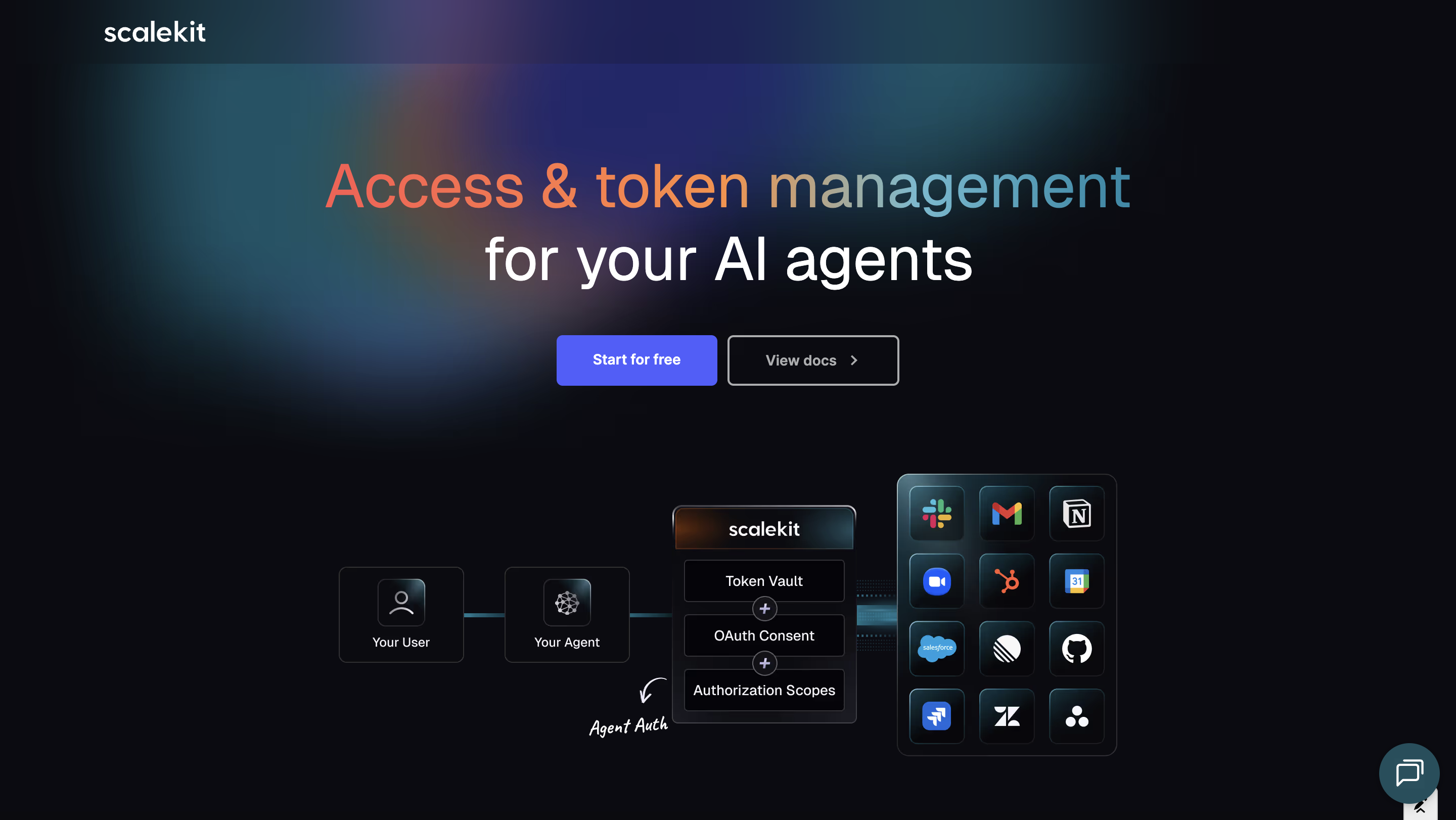
Scalekit treats identity as a system boundary rather than a login feature. It is designed for platforms where users, organizations, agents, APIs, and MCP servers all need to operate under a shared and consistent security model.
The core design choice is an organization-first identity model. Organizations are the primary boundary for authentication, authorization, and policy. Users and agents exist within that boundary rather than alongside it.
In practice, this means:
For architects, the benefit is that identity behavior is enforced by the platform rather than reconstructed in application code. For developers, this reduces glue logic, edge cases, and long-term maintenance as agent usage grows.
This approach is opinionated, but it aligns closely with how modern B2B AI platforms behave in production.
Most B2B AI teams start with a general-purpose authentication platform. These systems are mature, widely trusted, and well understood by security teams. As agents become more prominent, teams attempt to extend these platforms rather than replace them.
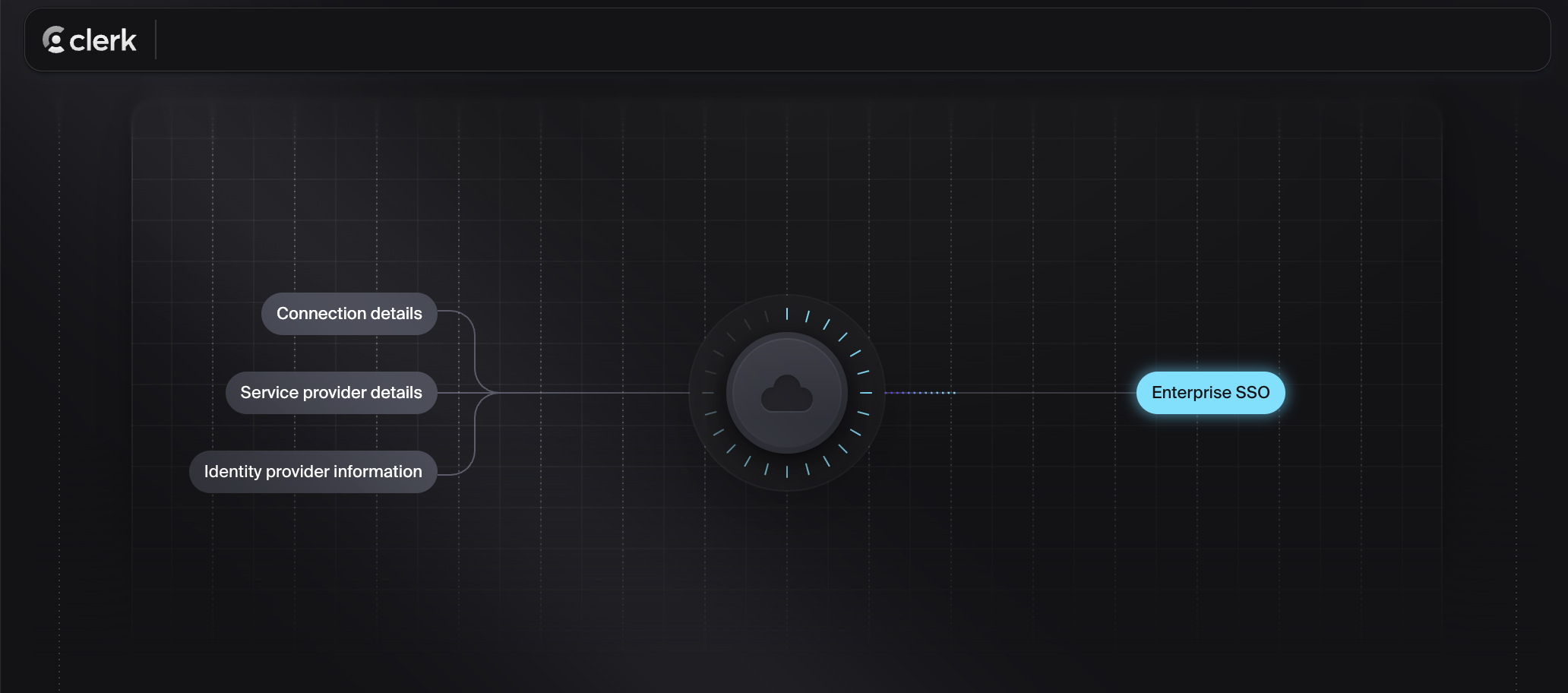
Clerk is optimized for fast and polished user authentication. It provides strong primitives for sessions, user management, and frontend integration.
It is commonly used when:
What to keep in mind is that Clerk remains fundamentally user-first, and complex agent scenarios require custom identity logic.
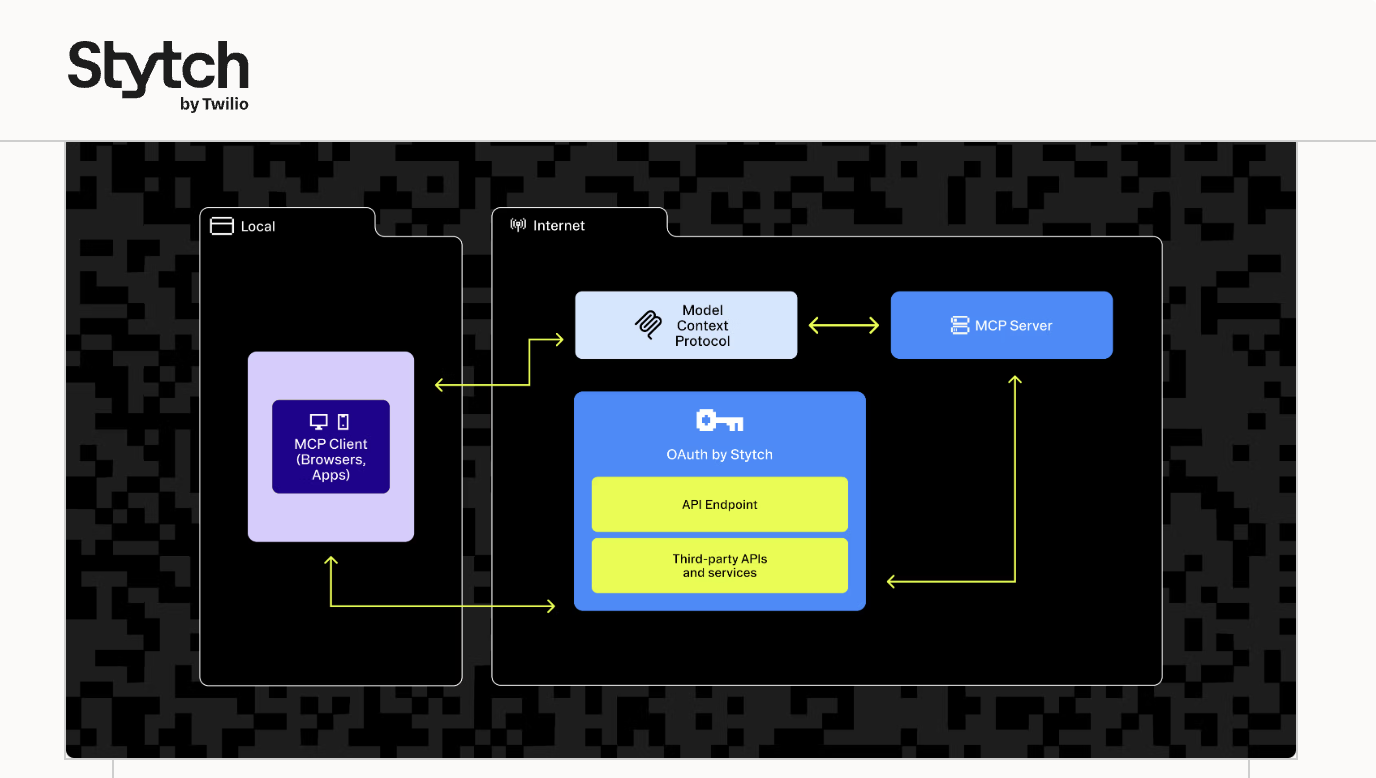
Stytch provides flexible, API-driven authentication with support for both user and machine to machine access. This makes it attractive to teams that want control without heavy abstraction.
Architecturally, Stytch does not impose a specific identity model. Agents, users, and organizations are represented through tokens and metadata defined by the application.
Common considerations include flexibility and low-level control.
What to keep in mind is that long-term consistency and policy enforcement become the responsibility of the application rather than the auth platform.
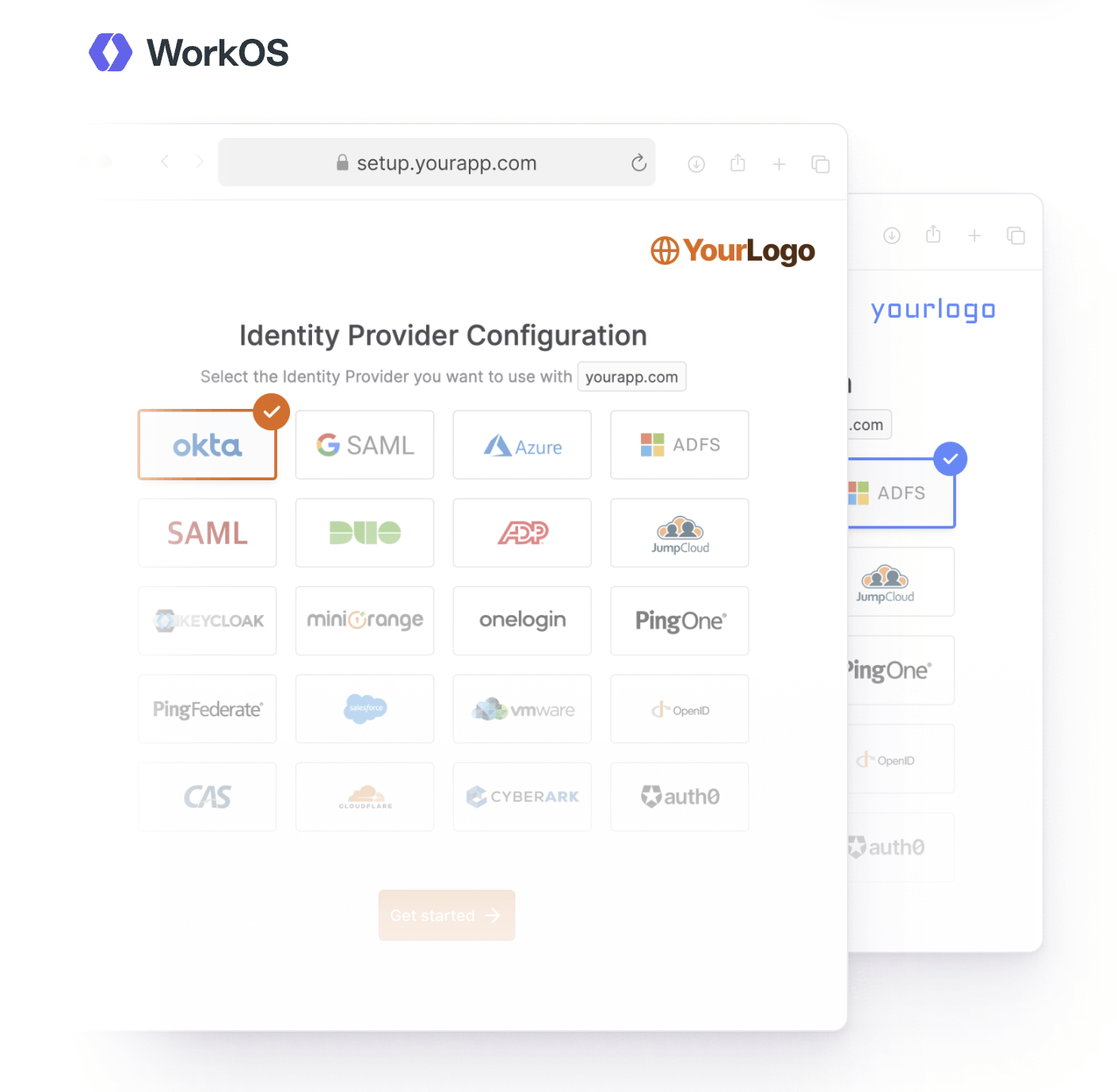
WorkOS is focused on enterprise readiness, with strong support for SSO, directory sync, and admin workflows. Pipes extends this by enabling identity events to be ingested, transformed, and routed to downstream systems.
Pipes is particularly effective for provisioning, deprovisioning, and keeping access state synchronized across services. It treats identity as a source of events rather than a unified model.
In agent-heavy systems, this often results in agents being authenticated separately from users and organizations, with Pipes used to keep systems loosely aligned.
Common considerations include excellent enterprise integrations and clear operational workflows.
What to keep in mind is that agent identity, delegation, and auditability remain external concerns.
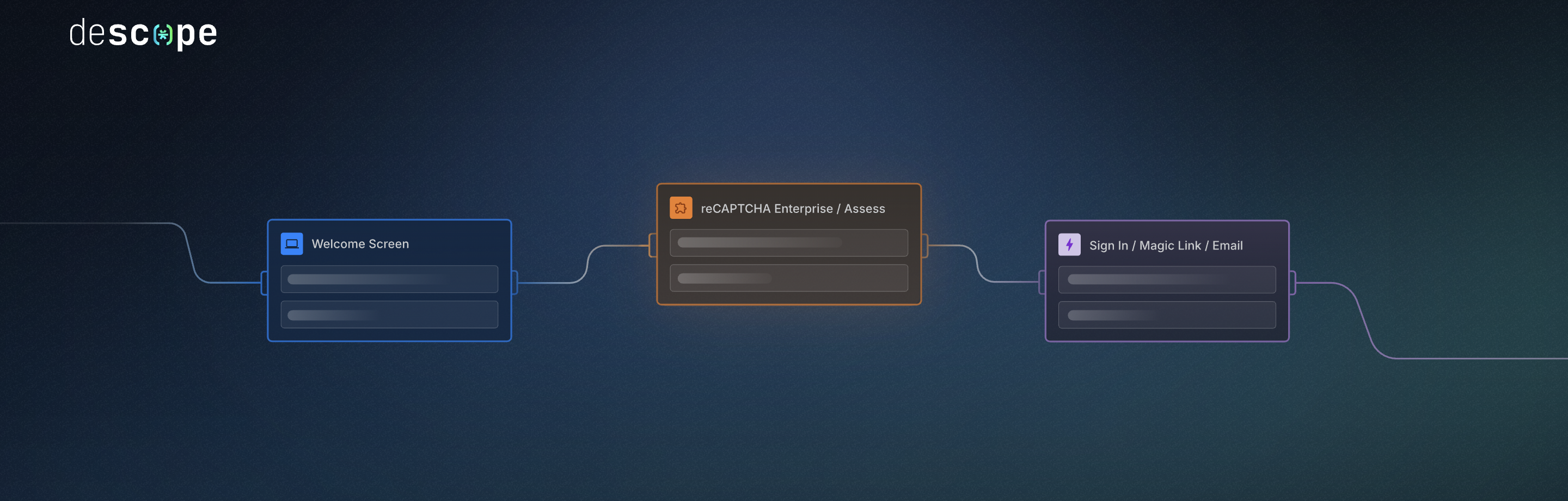
Descope emphasizes configurable authentication flows over a fixed identity schema. This allows teams to experiment with onboarding, authentication, and authorization logic.
For AI platforms, Descope can support agent-related flows, but complex delegation and organization-aware policy typically require additional services or custom code.
Common considerations include flexibility and speed of iteration.
What to keep in mind is that as flows multiply, maintaining a coherent identity model becomes more challenging.
Across general platforms, a consistent pattern emerges. They provide strong primitives such as tokens, authentication events, enterprise integrations, and workflow triggers. They intentionally avoid enforcing a single identity model across users, organizations, agents, and services.
This leads to two architectural approaches.
An orchestration-first approach typically involves:
A foundational identity approach typically involves:
Both approaches can be secure. The difference is where complexity lives.
The question behind Auth0 for agents is not about features. It is about whether identity is treated as an event stream or as a system boundary.
For B2B AI platforms where agents are central to how value is delivered, that distinction becomes architectural. Making it explicit early often determines how fast teams can move later.
If agents act independently, hold credentials, or operate across organizations, they benefit from being modeled explicitly. Treating them as anonymous services makes auditing and policy enforcement harder over time.
API keys are often sufficient early on. As agents gain scope and autonomy, teams usually need revocation, scoping, delegation, and auditability that API keys do not provide well.
OAuth adds structure and lifecycle management. For systems with multiple actors and enterprise requirements, that structure reduces long-term risk.
Teams typically reassess when agents become product-critical, security reviews intensify, or identity logic starts spreading across services.
They can, but they place ongoing responsibility for identity semantics on the application. Some teams prefer that control. Others prefer to push it down into the identity layer.